

0 products
Sorry, there are no products in this collection
Turmeric, also known as yellow root, is a fascinating spice appreciated not only for its intense flavor but also for its bright yellow color and many uses in the kitchen. Here you will learn everything about its origin, cultivation, use, and the many delicious ways you can incorporate turmeric into your cooking.
Turmeric at a glance
What is turmeric?
Turmeric is the dried and ground rootstock (rhizome) of a ginger plant and is especially noticeable for its bright yellow to orange color. The fresh root resembles ginger, but its inside is a strong orange and it stains hands, cutting boards, and dishes a vivid yellow. With its intense aroma and many culinary uses, turmeric is an essential spice in many cuisines around the world.
Names and terms
- Turmeric
- Yellow root
- Yellow ginger
- Saffron root
- Curcuma
Origin, cultivation, and processing
Origin and growing regions
Turmeric originates from South Asia and has been cultivated for several thousand years in India and other parts of Asia. Today, turmeric is grown in many tropical and subtropical regions of the world and continues to gain popularity.
Plant and rhizome
The turmeric plant grows as a herbaceous, perennial plant with an underground rootstock (rhizome), similar to ginger. This rootstock is used for the spice, not the leaves or flowers. The plant needs a warm, humid climate to thrive, which makes regions such as South Asia, Indonesia, and Papua New Guinea especially suitable for cultivation.
Processing into spice
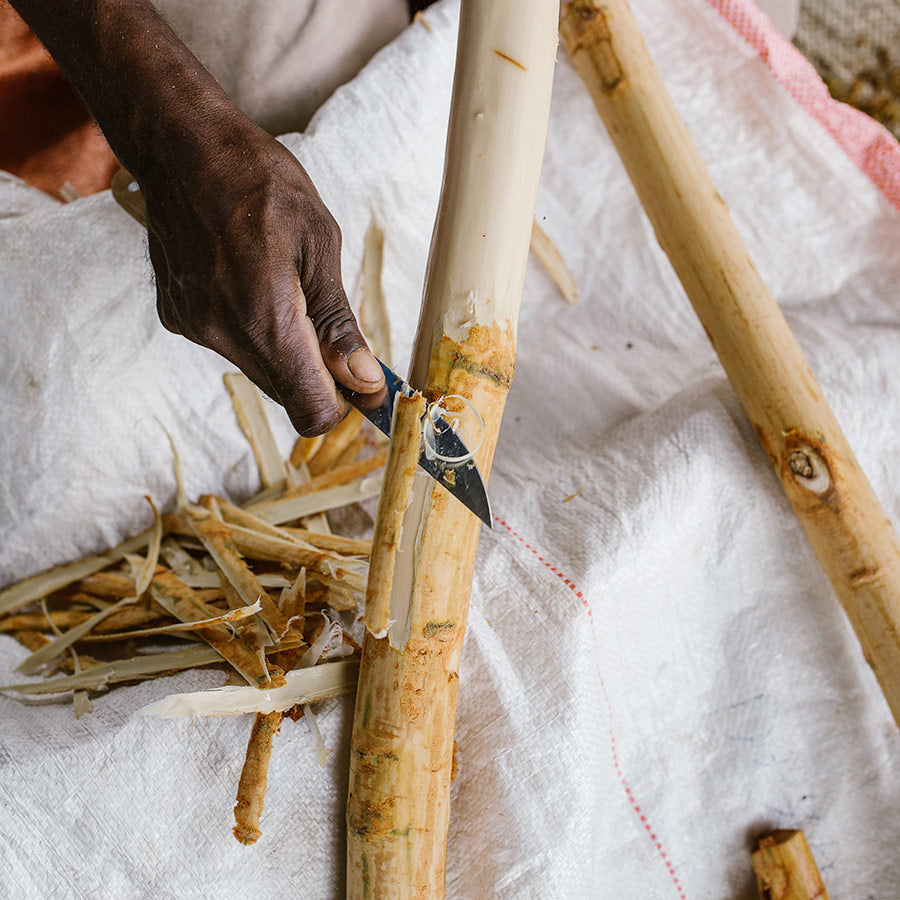
After harvesting, the roots are cleaned, blanched, dried, and then ground into powder. The powder loses aroma relatively quickly, but it retains its strong coloring power for a long time, which is why it remains a popular spice in many kitchens.
Varieties and qualities
Different types of turmeric
In cooking, two powder types are especially described:
- Madras turmeric: A light, ochre-yellow powder that is rather mild and slightly sweet.
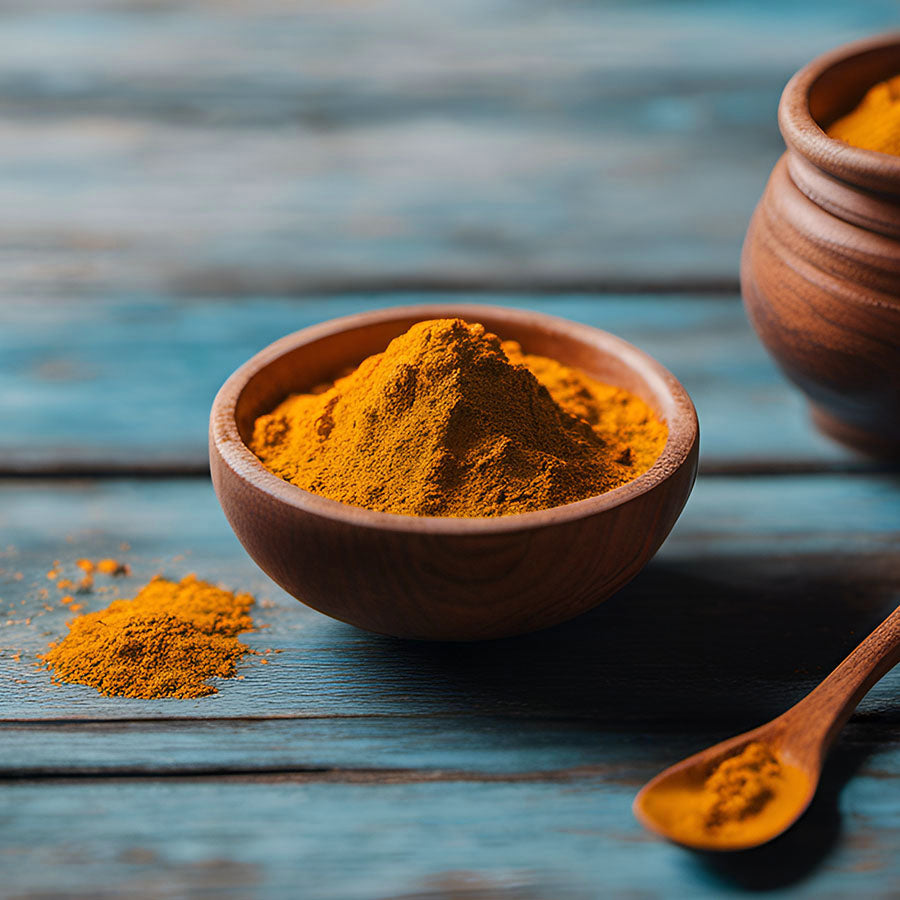
- Allepey turmeric: A dark orange, more intense powder with an earthy, sharp flavor that is considered higher quality.
Fresh vs. powder
The fresh root has a mildly spicy, earthy flavor with gentle heat and is relatively often used freshly grated in Asian cuisines. In contrast, the powder is practical, stores well for a long time, and is ideal for coloring and seasoning. The flavor of the powder is milder than that of freshly grated root.
Flavor, aroma, and color
Flavor profile
Turmeric has an earthy, slightly bitter, and delicately tart note. It is mildly spicy and, compared with ginger, does not have pronounced heat. In spice blends, turmeric often acts as a binding element and rounds out the other flavors, making it an essential part of many recipes.
Coloring power
Turmeric’s coloring power is intense, and even small amounts are usually enough to create impressive color. It is ideal for coloring:
- Rice, couscous, risotto
- Pasta, sauces, marinades
- Baked goods and sweet dishes
In the food industry, turmeric is also used as coloring agent E100, for example in margarine, mustard, sausage, and baked goods.
Turmeric in the kitchen
Basic rules of use
Turmeric is a base spice in many curry blends and masalas. It is rarely used as the sole main spice, as too much can quickly become bitter. It is ideal for cooking along with other ingredients, since its color and aroma distribute well in liquids and fats.
Turmeric in powder form
In powdered form, turmeric is excellent for cooking in:
- Curries and stews
- Soups and sauces
- Rice and potato dishes
- Vegetable stir-fries and roasted vegetables
It can also be used as an accent in dressings, dips, spreads, pastes, as well as in smoothies and warm beverages.
Turmeric as fresh root
Fresh turmeric root can be used grated or finely chopped:
- In Asian wok dishes
- In curry pastes
- In marinades for fish, meat, or tofu
- In pickling brines for vegetables (pickles)
Typical dishes with turmeric
Savory – classics
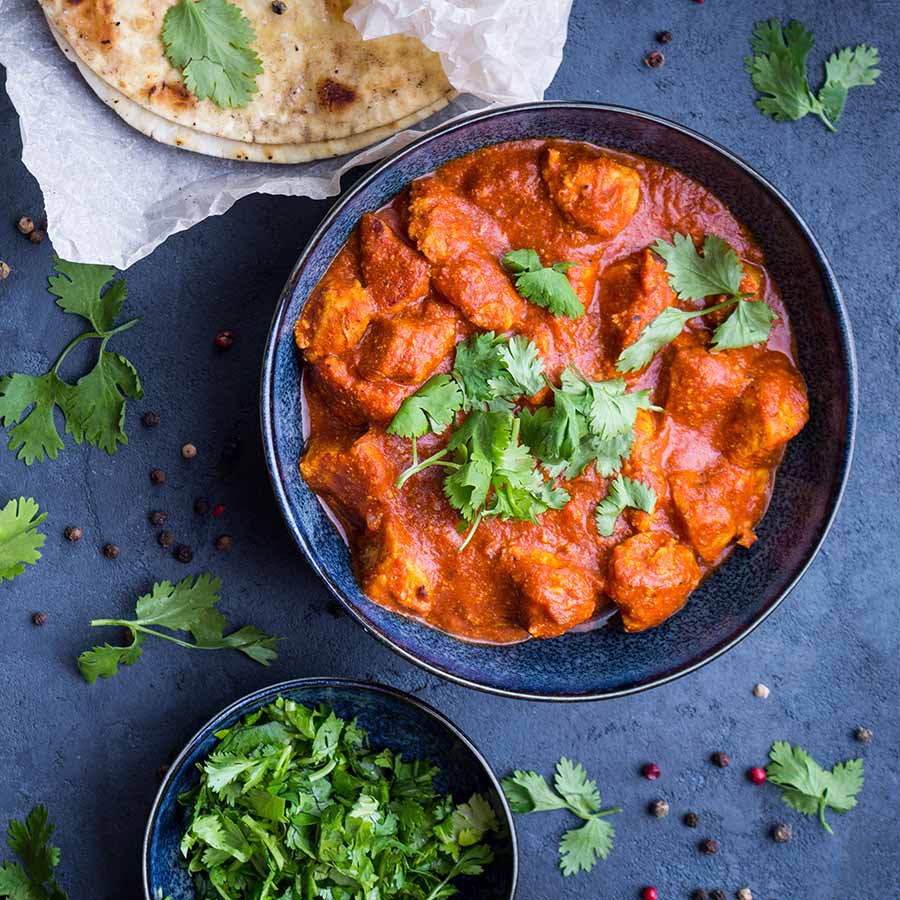
- Curries: Turmeric is an essential component of all kinds of curries, whether they are made with vegetables, legumes, meat, or fish. It adds color, depth, and helps tie other spices together.
- Rice dishes: Dishes such as yellow rice, pilaf, or paella take on a golden color with turmeric.
- Vegetable dishes: Ideal for cauliflower, broccoli, pumpkin, carrots, potatoes, lentils, and chickpeas.
- Soups and stews: Used in pumpkin soup or lentil and bean soups for extra flavor.
Marinades & spice pastes
Turmeric is excellent for marinades:
- For fish (e.g. with yogurt and garlic)
- For lamb or pork (e.g. with paprika and oil)
It is also often found in spice pastes and seasoned butter: turmeric is gently sautéed in oil or ghee and combined with herbs.
Baking & sweets
Turmeric also gives baked goods a delicate golden note in cakes, muffins, cookies, as well as white chocolate or dessert sauces.
Turmeric in beverages
Golden milk
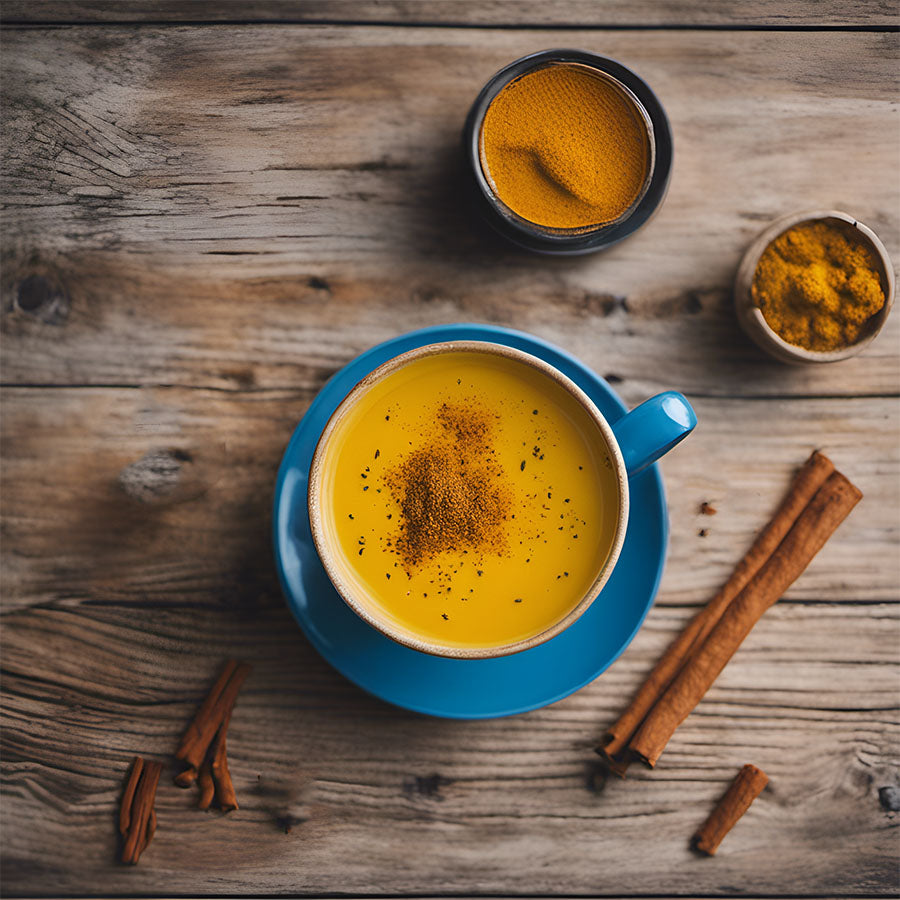
Golden milk is a warm drink based on milk or plant-based milk, refined with turmeric, ginger, black pepper, as well as cinnamon or other spices. This blend is appreciated above all for its flavor and color and has a special ritual-like character.
More beverage ideas
- Turmeric tea: Brewed with hot water, often combined with ginger or citrus notes.
- Smoothies: A pinch of turmeric powder adds color and spice to fruit and vegetable smoothies.
Food pairing: What goes well with turmeric?
Complementary spices
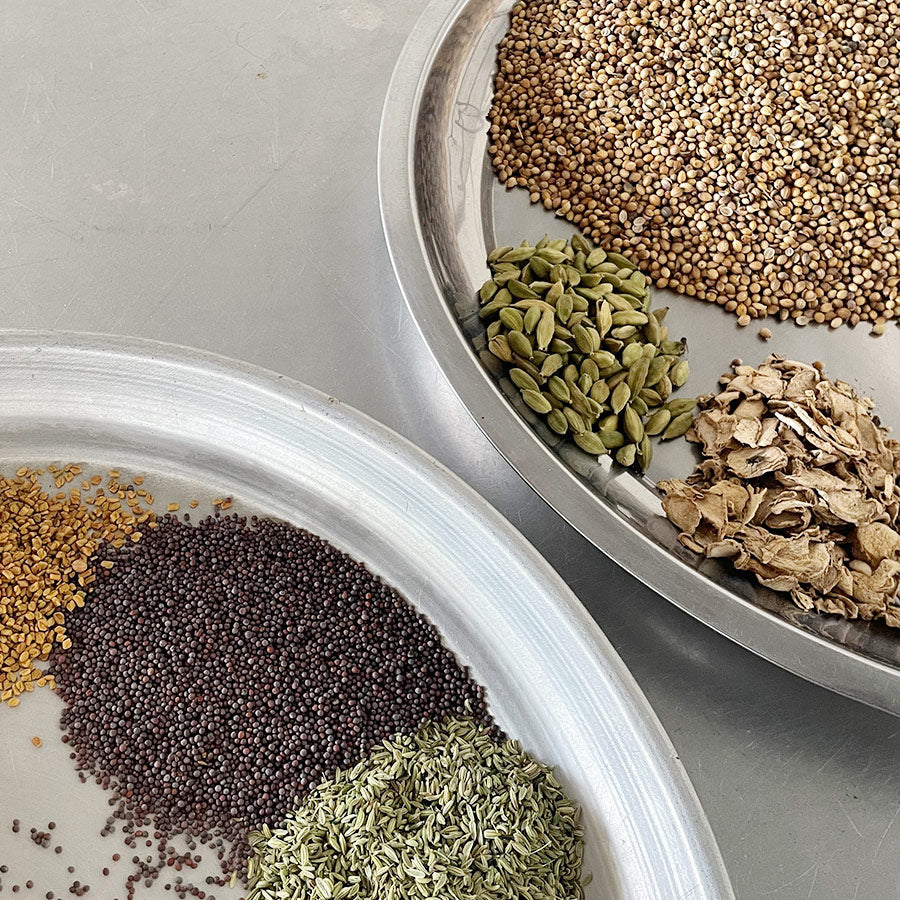
Turmeric shows its strengths especially when paired with other spices:
- Black pepper
- Ginger
- Cumin
- Coriander (seed or leaf)
- Chili
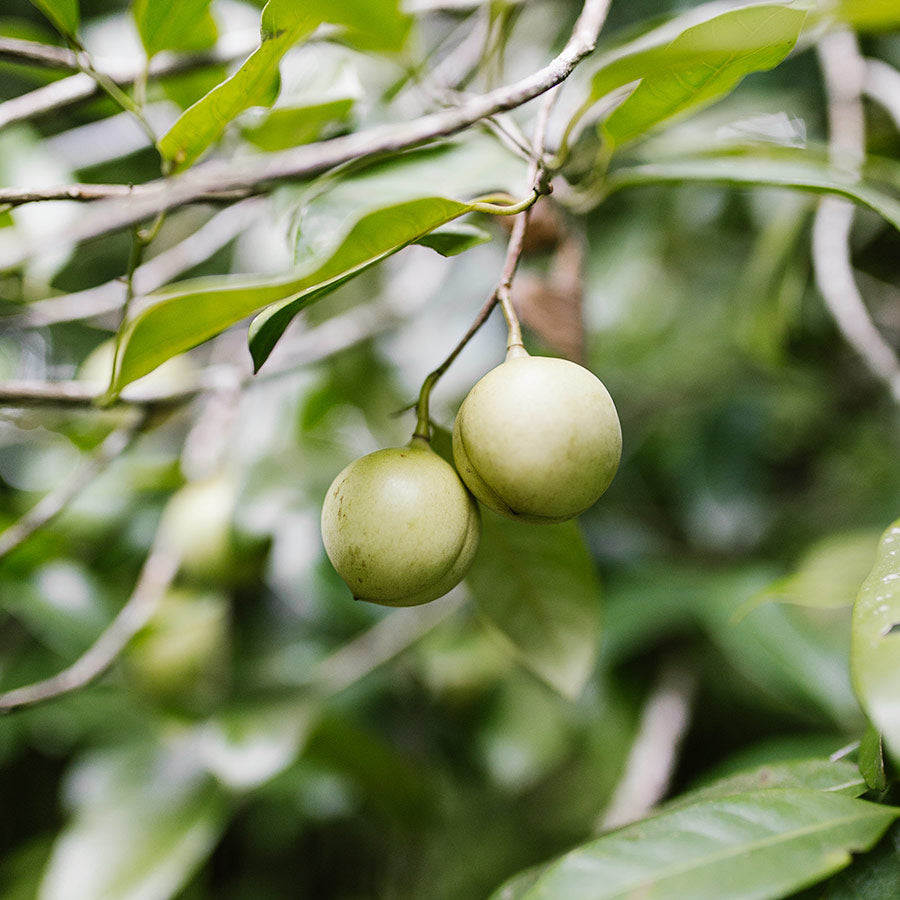
- Nutmeg
- Cardamom (green and black)
- Cinnamon
- Paprika
- Anise and star anise
Combination ideas
For delicious dish creations:
- Roasted vegetables: Mix turmeric with oil, salt, and optionally chili, then coat cauliflower, pumpkin, or potatoes and roast them.
- Rice and potatoes: Sauté turmeric with ginger and garlic before adding rice or potatoes.
- Salad dressings: Mix turmeric with vinegar, oil, salt, pepper, and optionally a little honey or mustard.
Spice blends with turmeric
Curry & masala
Turmeric is a main ingredient in many curry blends and provides yellow color, an earthy base, and a gentle bitterness that ties other flavors together.
Other classic blends
- Spice blends for rice dishes
- Lentil dishes
- Grill and BBQ rubs
- Oriental-inspired soups and stews, e.g. Hawaij with pepper, cumin, cardamom, and coriander.
Preparation techniques in the kitchen
How to toast turmeric properly
To bring out turmeric’s aroma optimally, it should be briefly sautéed in oil, ghee, or butter before adding liquid. Make sure the temperature is high enough without burning the spice.
Dosage
It is advisable to start sparingly and increase the amount as needed. For everyday dishes, ¼–1 teaspoon of powder per serving is often enough, depending on the desired intensity.
Dealing with stains
Turmeric stains strongly. It is recommended to rinse cutting boards and textiles as quickly as possible and to be careful with light-colored materials to minimize staining.
Additional uses of turmeric
As a classic coloring agent
In the past, turmeric was often used as a dye for paper, wood, and textiles. Today, it is mainly used in foods, for example in margarine and mustard.
In household and creative projects
Turmeric can also be used to color homemade pasta, decorative salt, or in creative baking projects to make impressive golden cookies or yellow glazes.
Turmeric in everyday international cooking
Regional cuisines
- Indian cuisine: A staple of countless curries and masalas, often used in everyday dishes such as dal or vegetable stir-fries.
- Arab cuisine: Used in spice blends such as Hawaij for stews and coffee.
- Southeast Asian cuisine: Fresh turmeric root is used in curry pastes, soups, and wok dishes.
- European cuisine: Also appreciated as a beautiful splash of color and flavor in risotto, soups, or creative fusion recipes.
Typical questions about turmeric as a spice
What is turmeric especially good for?
Turmeric is excellent for coloring and enhancing curries, stews, soups, rice, potatoes, legumes, and vegetables from the pan or oven. It is also a valuable ingredient in dressings, dips, marinades, and warm drinks such as golden milk.
Can turmeric be used as a single spice?
Yes, turmeric can be used on its own, but the dosage should be handled carefully. In small amounts, it adds warmth and color to a dish; in larger amounts, it can quickly become dominant and bitter.
What are the best pairings with turmeric?
Turmeric pairs especially well with spices such as black pepper, ginger, cumin, coriander, chili, and nutmeg. These combinations enhance not only the flavor but also the color and style of preparation.
How should turmeric be stored?
To preserve both the aroma and coloring power of turmeric, it should be stored in a cool, dry place in an airtight container. Sunlight and moisture can affect the quality of the spice.
How do you dose turmeric in recipes?
When cooking, it is best to start with small amounts and gradually increase to taste. Typically, ¼ to 1 teaspoon per serving is enough to achieve a balanced flavor.
Can I add turmeric to drinks?
Yes, turmeric is often used in drinks, especially in popular golden milk or turmeric tea, where it is appreciated for its vibrant color and unique taste.
Where can I get the best turmeric products?
You can find high-quality turmeric from suppliers such as 1001 Organic, who source directly from smallholder farmers in Zanzibar, where turmeric is grown and processed sustainably under fair conditions. Look for transparent supply chains and harvest-fresh spices.
How can I integrate turmeric into my daily meals?
Turmeric can easily be added to many dishes – whether in curries, soups, rice dishes, vegetable pans, or in creative marinades and dressings. Experiment with different applications to discover the versatility of this wonderful spice.

























Natural & Fair
• Sustainable farming practices
• Local communities
• Direct partnerships
• Effective value creation at the source of the spices
• Farm to Kitchen concept
• Protection of biodiversity
• Fair working conditions

