







Herbs and spices are indispensable companions in the kitchen that not only refine the taste of our food but also carry history and culture. Discover the world of aromatic ingredients and learn how to use them in many different ways.
Herbs and spices – the basics
What are herbs, what are spices?
Herbs are the green parts of plants, often used fresh or dried. Spices, on the other hand, come from various plant parts such as seeds, bark or roots and are usually used dried. Both are important flavour providers in the kitchen that reflect the diversity of the culinary world.
Origin and growing regions
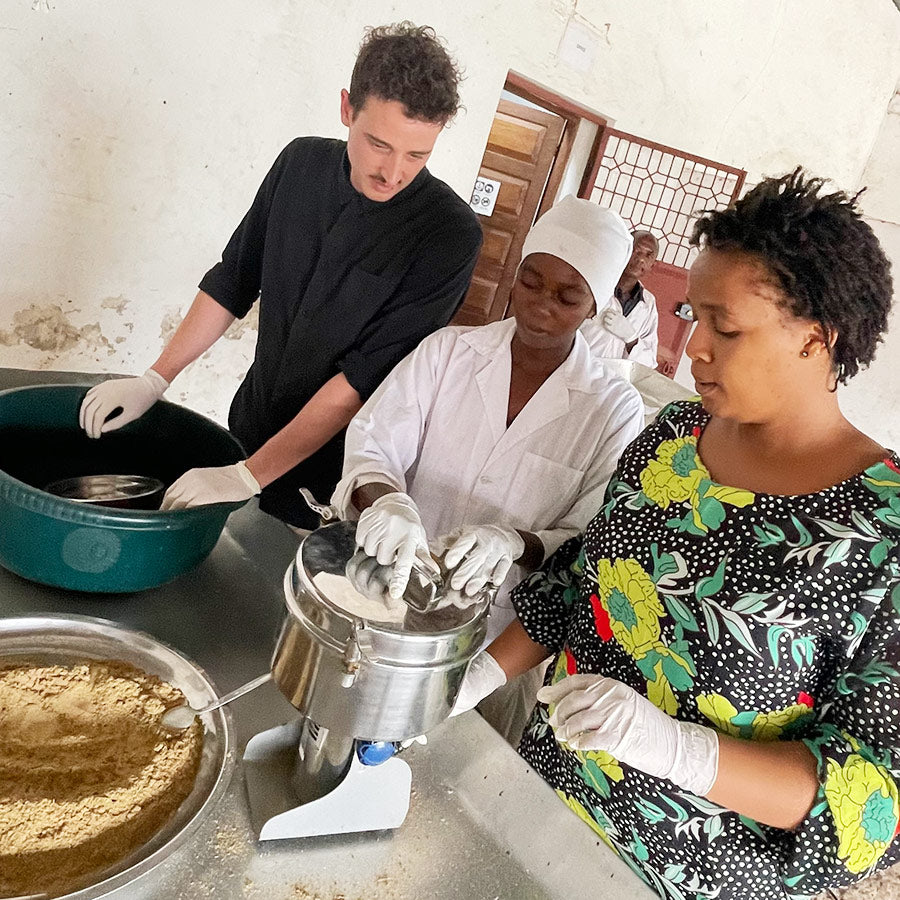
Herbs and spices come from many places. Many well-known ingredients come from regions such as the Mediterranean, Asia or Africa. A remarkable place of spice production is Zanzibar, where ideal climatic conditions and fertile soils support cultivation. Thanks to 1001 Organic’s direct trade without middlemen, the spices reach your kitchen fresh and aromatic.
Fresh, dried, whole, ground – forms and differences
Herbs and spices come in different forms: fresh for intense aromas, dried for a longer shelf life, whole for long-term storage or ground for immediate use. Fresh herbs bring flavour and colour to dishes, while dried varieties are ideal for stews and marinades.
Aroma, fragrance and taste – how herbs and spices change dishes
Herbs and spices are true flavour enhancers. Fresh herbs such as basil or parsley give dishes lightness and freshness, while spices such as cinnamon or nutmeg add warmth and complexity. The right interplay of aromas can make the difference between an ordinary and an extraordinary dish.
Storage, shelf life and proper keeping
Proper storage is crucial to preserve the freshness and aromas of herbs and spices. Fresh herbs should be kept in the fridge wrapped in a damp cloth, while dried spices should be stored in light-proof, airtight containers in a cool place. This way you can make sure they keep their full flavour.
Culinary herbs in everyday life
Basic distinction: leafy herbs, seeds, roots
In the kitchen, herbs can be roughly divided into three categories: leafy herbs, used mainly for seasoning; seeds, which serve as spices; and roots, which also bring aromatic components to dishes. This variety makes herbs indispensable ingredients in our everyday cooking.
Popular local culinary herbs
Parsley
- Use: Parsley is extremely versatile and is used in both cold and warm dishes, whether in salads, soups or as a garnish.
- Flat-leaf vs. curly parsley: While flat-leaf parsley has a more intense taste, the curly variety is often popular as a decoration.
- Combinations: It goes perfectly with vegetables, soups, salads and potatoes.
Chives
- Delicate seasoning: Ideal for spreads, egg dishes, soups and salads. Chives give off a delicate onion note.
- Differences: Compared with onion and leek, chives have a milder aroma.
Dill
- A classic herb: Particularly valued for its taste with cucumbers, fish, potatoes and light sauces.
- Fresh use: Using it fresh is recommended, as the dried version is less intense.
Wild garlic
- Seasonal herb: A spring herb used in pesto, soups and fillings. Its garlic note is unmistakable.
Cress
- Use: Often raw on bread, in salads and dips. Cress brings a peppery heat.
Mediterranean herbs for sunny cooking
Basil
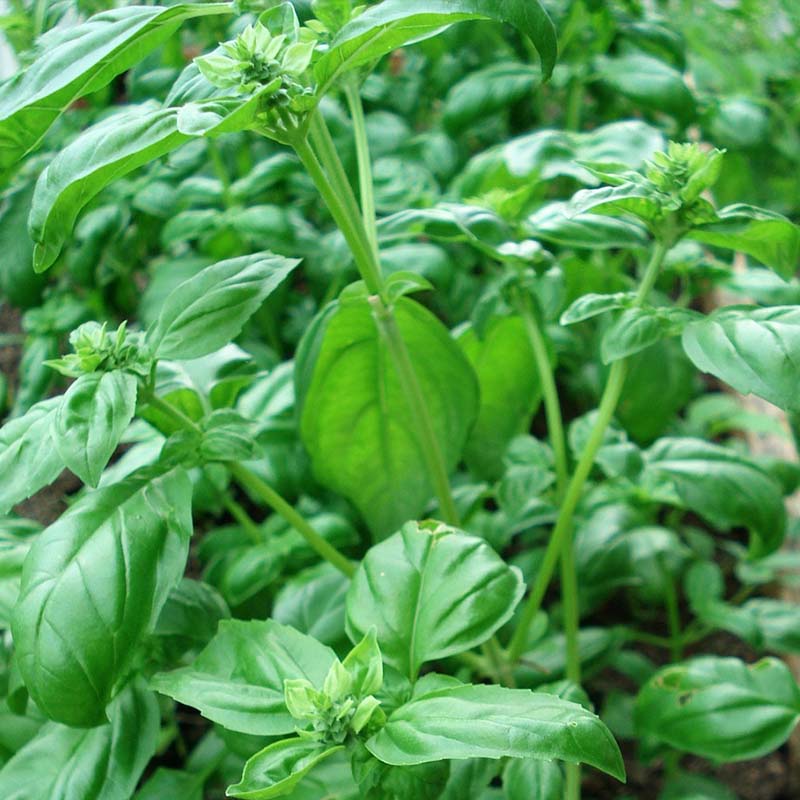
- Italian specialities: Indispensable in pasta dishes, tomato sauces and fresh salads.
- Use: The leaves should be used fresh and not cooked for long, to preserve their aroma.
Oregano
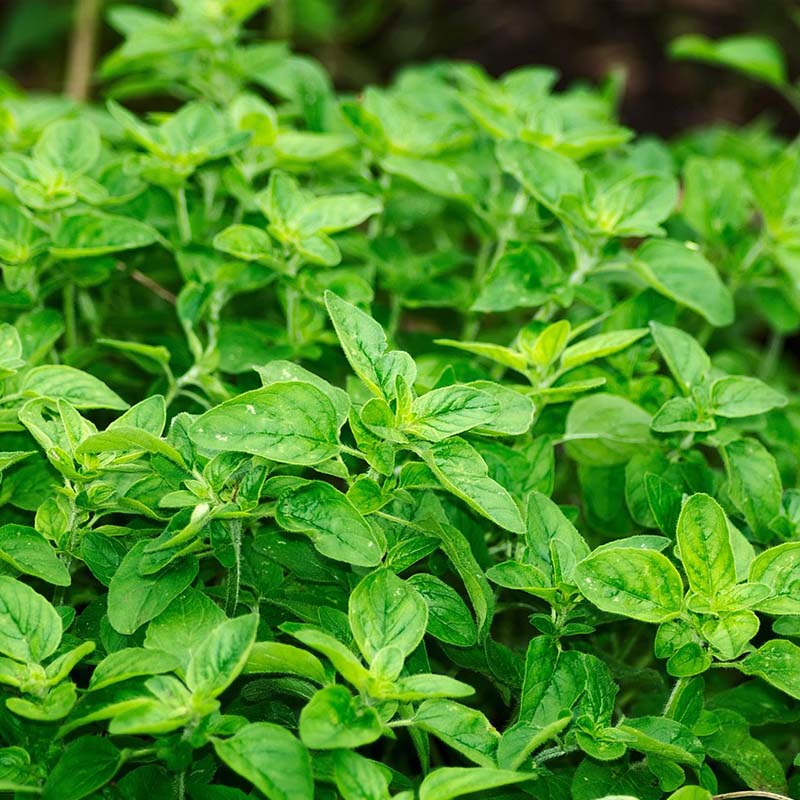
- A classic: Perfect for pizza, pasta, grilled dishes and tomato sauces.
Thyme
- A powerful herb: Ideal for braised dishes, vegetables and pulses. Thyme has a distinctive fragrance.
Rosemary
- Ideal for: Roast vegetables, potatoes, bread and marinades. Its inviting fragrance gives character to many dishes.
Marjoram
- A robust seasoning herb: Particularly good for stews, potato dishes and hearty meals.
Savory
- Typical with beans: Ideal for dishes with beans and other pulses.
Sage
- A classic with: Pasta and meat dishes, sage adds a savoury note.
Aromatic herbs with a special character
Mint
- Different varieties: It can be used in savoury dishes, desserts and drinks.
Lemon balm
- Fresh aroma: Perfect for desserts, drinks and salads with a delicate lemon taste.
Fresh coriander
- Use: Coriander is popular and versatile in Asian, Latin American and oriental cuisine.
Tarragon
- Typical for: Sauces and poultry, tarragon adds a special flavour.
Chervil
- A delicate herb: Particularly suitable for soups, egg dishes and spring cooking.
Lovage
- Strong aroma: Ideal for soups, stews and broths.
Borage
- Use: Ideal with cucumbers, salads and in cold dishes, it brings a fresh note.
Watercress
- A peppery, aromatic herb: Perfect for salads and sandwiches, it creates a fresh taste experience.
Spices from seeds, bark, roots and fruits
Basic categories of spices
Seed and fruit spices
Spices such as caraway, coriander, fennel and anise fall into this category and offer versatile flavour in bread, pastries, vegetable and meat dishes.
Bark and bud spices
These include cinnamon and cloves, which are used to refine sweet and savoury dishes.
Root and rhizome spices
Ginger, turmeric, galangal and horseradish bring heat and freshness to curries, marinades, baked goods and sauces.
Flower and stigma spices
This category includes spices such as saffron and certain dried flowers, which complete the special aroma profile of dishes.
Important seeds and fruits
Coriander seeds
- Use: They are often used in bread, marinades and curry blends.
Cumin
- Character: An important ingredient in many curries and Asian dishes.
Caraway
- Use: Popular in bread, cabbage dishes and hearty cooking.
Fennel seeds
- Use: These seeds are used in bread and sausages and bring a sweetish taste.
Anise
- Typical for: Pastries, cakes and drinks. Anise adds a sweet, spicy note.
Black cumin
- Use: Popular as a bread spice and in savoury dishes.
Mustard seed
- Use: This seed is used in marinades, pickled vegetables and sauces.
Pepper and hot spices
An overview of pepper varieties
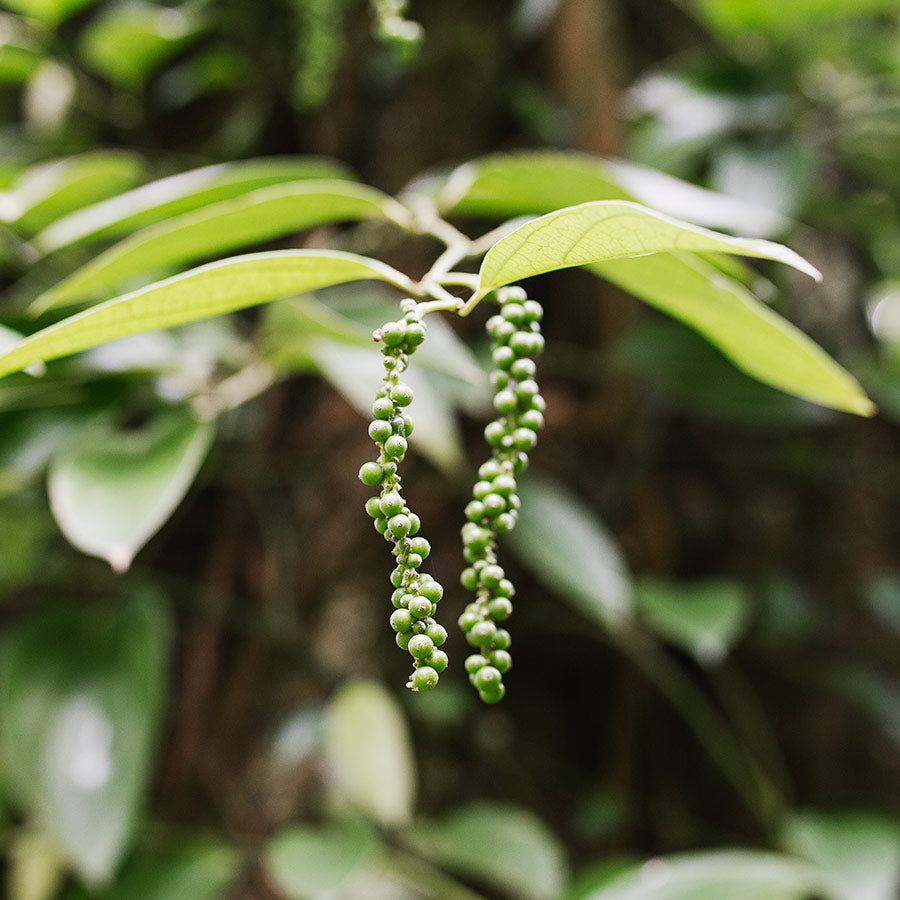
Black, white, green and red pepper are basic equipment in every kitchen, to be used as whole peppercorns or ground.
Chili peppers and chili products
Dried pods, flakes and powder bring heat to sauces, stews and spice blends.
Other hot and spicy spices
- Examples: Ginger, galangal and horseradish broaden the spicy spectrum in the kitchen.
Aromatic classics in warm dishes
Cloves
Ideal in sauces, marinades, baked goods and hot drinks, they add a deep aroma.
Cinnamon
It brings sweet aromas to desserts, baked goods and even some savoury dishes.
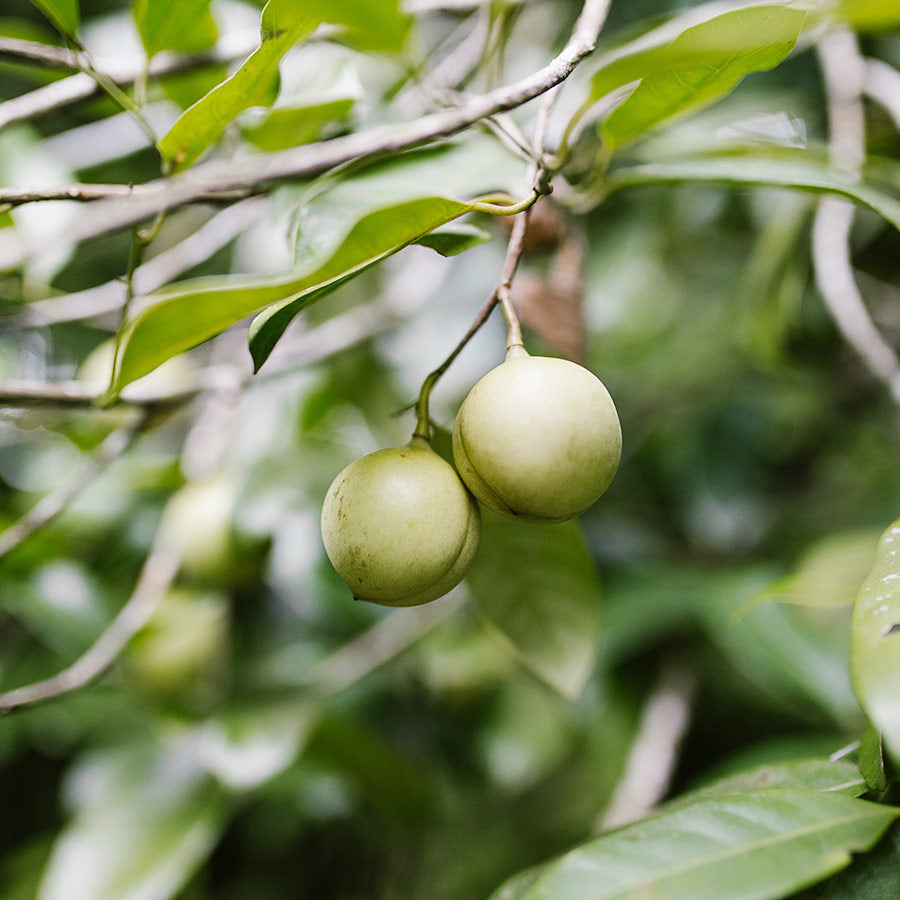
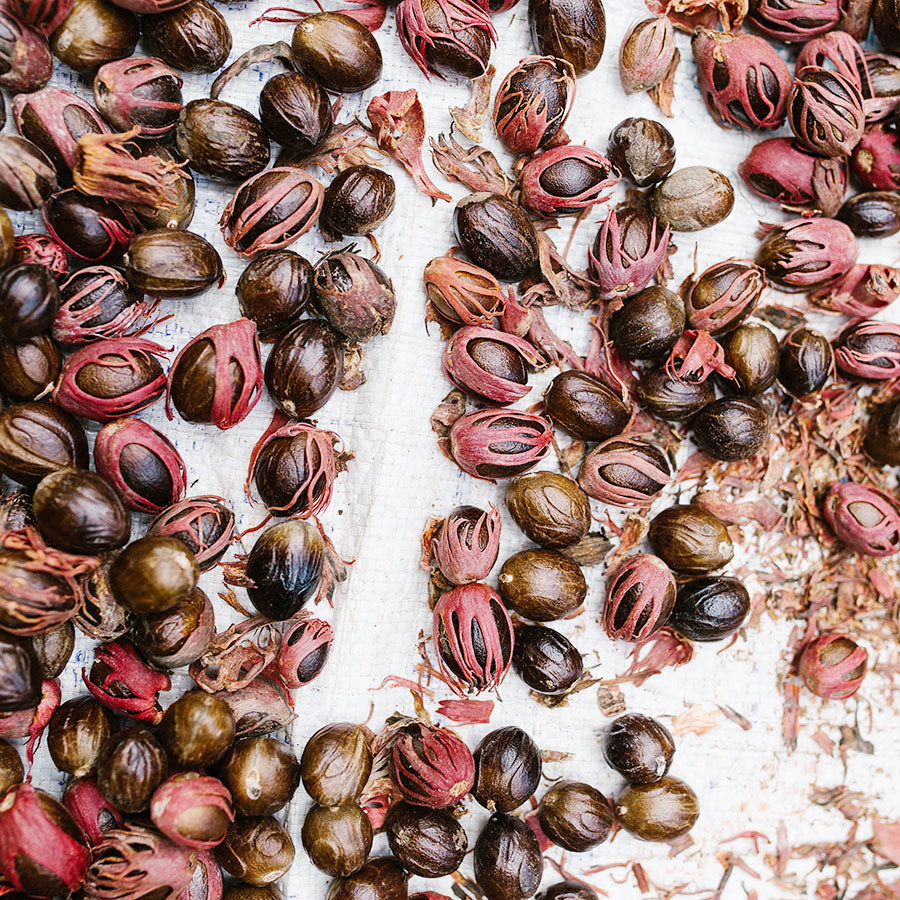
Nutmeg
A classic spice often used for potato dishes, sauces and vegetables.
Cardamom
An aromatic spice that shines in both sweet pastries and savoury dishes.
Allspice
Ideal for marinades, braised dishes and baked goods, allspice adds a special note.
Herbs and spices by cuisine
Central European cuisine
Typical herbs
Parsley, chives, dill, chervil and lovage are frequently used herbs in traditional dishes.
Typical spices
Caraway, juniper, nutmeg, bay leaf, mustard and horseradish give dishes their characteristic flavour.
Mediterranean cuisine
Herb profile
Basil, oregano, thyme, rosemary and sage belong to the world of Mediterranean cuisine.
Spice profile
Pepper, garlic, fennel and anise are also important ingredients in Mediterranean cuisine.
Middle Eastern and North African cuisine
Herbs
Mint, parsley, fresh coriander and thyme are common herbs in many traditional dishes.
Spices and blends
Cumin, coriander, cardamom and saffron are essential spices that provide a wide variety of aromas.
Indian and South Asian cuisine
Basic spices
Cumin, coriander, turmeric, ginger, cardamom and mustard are the basic spices of this aromatic cuisine.
Herbs
Fresh coriander, mint and dried curry leaves are typically found in the dishes.
East and Southeast Asian cuisine
Typical aromas
Ginger, turmeric, zedoary, lemongrass and chili are frequently used ingredients in this world of flavour.
Herbs and leaf spices
Various leaves and fresh herbs, adapted to the region.
Latin American cuisine
Herbs
Fresh coriander and other regional leafy herbs play a central role.
Spices
Chili, cumin and coriander are important ingredients here too.
Herbs and spices by plant family
Mint family
Typical members such as basil, thyme, marjoram, rosemary, savory, sage and mint belong to this family.
Carrot family
Herbs such as anise, caraway, coriander and dill fall into this category.
Allium family
These include garlic, leek and chives.
Other important families
The myrtle family supplies cloves, while grasses such as lemongrass are valued for their particularly fragrant character.
Use in the kitchen
Basic rules of seasoning
When to use fresh herbs and when dried?
Fresh herbs should be added in the final stages of cooking, while dried herbs can be added earlier to develop their full aroma.
Whole spices vs. ground spices
Whole spices offer more aroma and a longer shelf life, while ground spices deliver immediate intensity.
Dosing correctly and adjusting the seasoning
It is important to season carefully and adjust to taste.
Cooking with fresh herbs
Raw in salads, dips and spreads
Fresh herbs bring colour and fresh aromas to cold dishes.
Briefly cooked in soups and sauces
They should be added at the end of the cooking time to preserve their freshness.
As a finish just before serving
Fresh herbs can easily enhance dishes when used as a garnish.
Cooking with dried herbs and spices
Toasting seeds for more aroma
Toasting spices such as cumin or mustard seeds brings out their aromas more fully.
Cooking in stews, curries and braised dishes
This way, dried spices develop their variety of flavours over a longer cooking process.
Spice mixes and blends
The basic idea of spice blends
Combining different spices creates a harmonious and multi-layered flavour profile in many dishes.
Classic blends from different regions
Well-known examples are garam masala from India, herbes de Provence from France and ras el hanout from North Africa.


Bestsellers


























Natural & Fair
• Sustainable farming practices
• Local communities
• Direct partnerships
• Effective value creation at the source of the spices
• Farm to Kitchen concept
• Protection of biodiversity
• Fair working conditions

