

Deep red, pleasantly tart and bursting with fruity flavours: hibiscus brings colour and variety to your kitchen. Whether you use it for aromatic tea, refreshing iced tea or as a special ingredient in desserts, dried hibiscus flowers are wonderfully versatile. If you want to buy hibiscus, it's worth paying attention to its origin, quality and careful processing.
Our natural hibiscus flowers from Tanzania have a distinctive fruity, tart flavour. Their aroma is reminiscent of pomegranate, rosehips and citrus fruits. The vibrant red colour also makes hibiscus a popular ingredient for creative drinks and dishes.
Discover our hibiscus flowers from Tanzania and be inspired by their fruity, tart aroma.
Buy Hibiscus and Discover Its Versatile Flavour
Hibiscus is best known for its intensely red tea. But the dried calyces can do much more than flavour hot water.
Their taste combines pronounced fruitiness with refreshing tartness. Depending on the preparation, the aroma can be reminiscent of rosehips, red berries or pomegranate. The combination with sweet ingredients is particularly interesting.
If you're looking to buy dried hibiscus flowers, you'll find a versatile ingredient for countless culinary ideas in our shop. Our hibiscus flowers are suitable for tea, syrups, homemade lemonades, fruity sauces and desserts, among other uses.
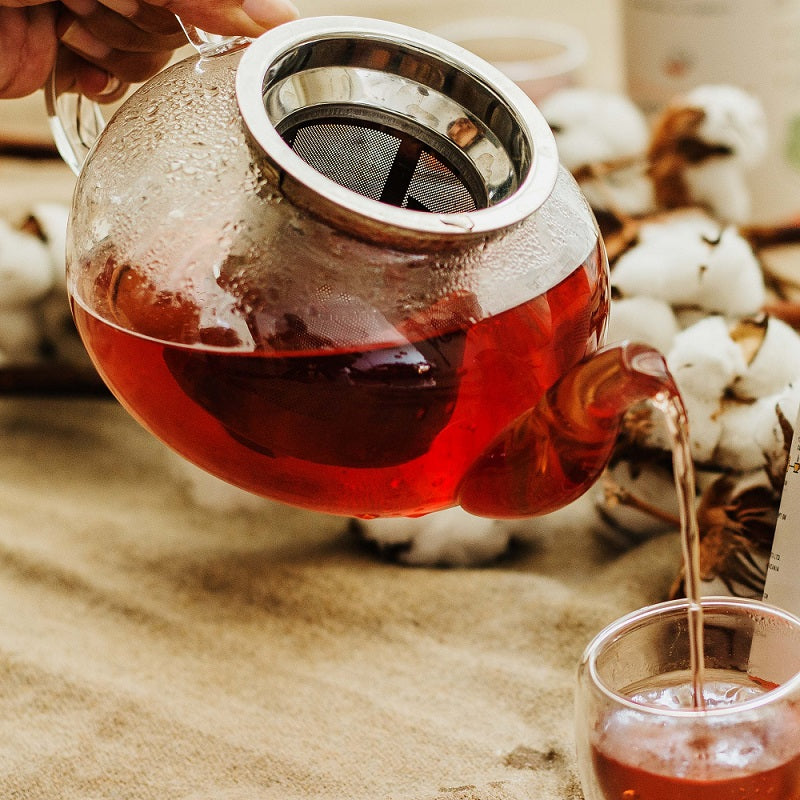
Hibiscus is also visually striking. When steeped in hot water, it produces a vibrant red infusion that gives drinks an eye-catching colour.
What Exactly Is Hibiscus?
Hibiscus is a genus of plants containing numerous species. Hibiscus tea is particularly often made from Hibiscus sabdariffa, also known as roselle or karkade.
Botanically, the characteristic red plant parts are usually the fleshy calyces or sepals, which are harvested and dried after flowering. They are commonly sold as hibiscus flowers.
The plant belongs to the mallow family and is cultivated in various tropical and subtropical regions. When preparing food or drinks, you should only use hibiscus flowers specifically sold for culinary consumption.
Hibiscus Flowers from Tanzania – Natural and Directly Sourced
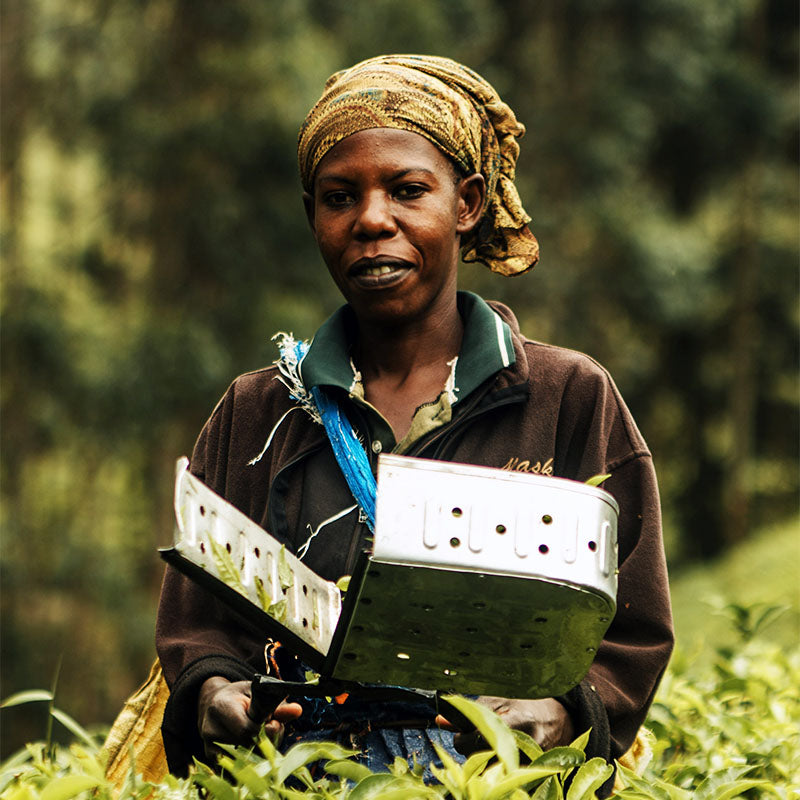
Product origins and fair trading relationships are particularly important to us. Our hibiscus flowers come from Tanzania and are sourced directly from smallholder farmers.
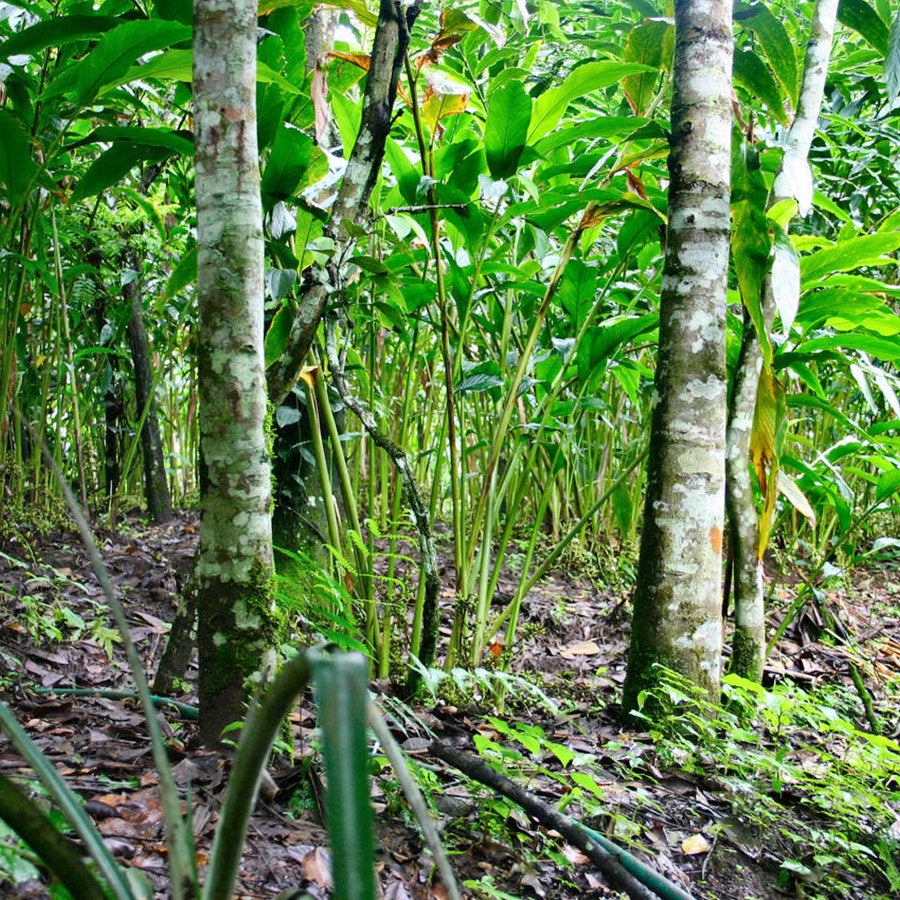
The plants grow in diverse mixed agroforestry systems. Different plant species are cultivated together, allowing agricultural land to be used in a varied way.
Through our direct trading model, we promote long-term partnerships and support local value creation in the growing regions. This allows us to combine aromatic products with our commitment to responsible spice trading.
Carefully Selected Hibiscus Flowers
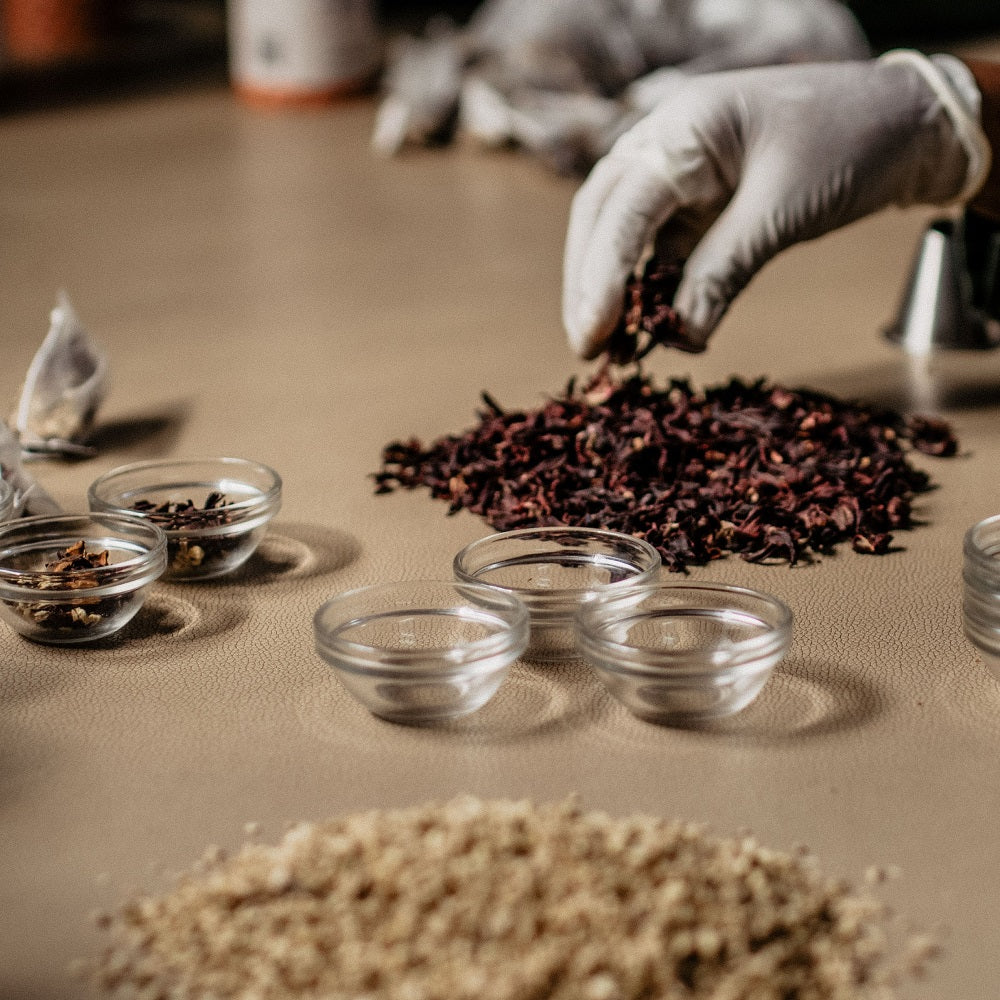
Our hibiscus flowers contain 100% hibiscus. We do not add other ingredients such as sugar or artificial flavourings to this product. This allows you to enjoy the distinctive flavour of dried hibiscus flowers in many different ways and combine them according to your preferences.
It's particularly worth checking the ingredients when buying hibiscus. Alongside pure dried hibiscus flowers, sweetened varieties and ready-made tea blends are also available. With our unsweetened flowers, you decide how strong and sweet your drink or dish should be.
Our hibiscus flowers are natural but not certified organic. We value transparent product information and traceable origins so that you can make informed choices.
Direct Trade with Social Responsibility
At 1001 Organic, we see spice trading as a long-term partnership. That's why we work directly with smallholder farmers and focus on transparent trading relationships.
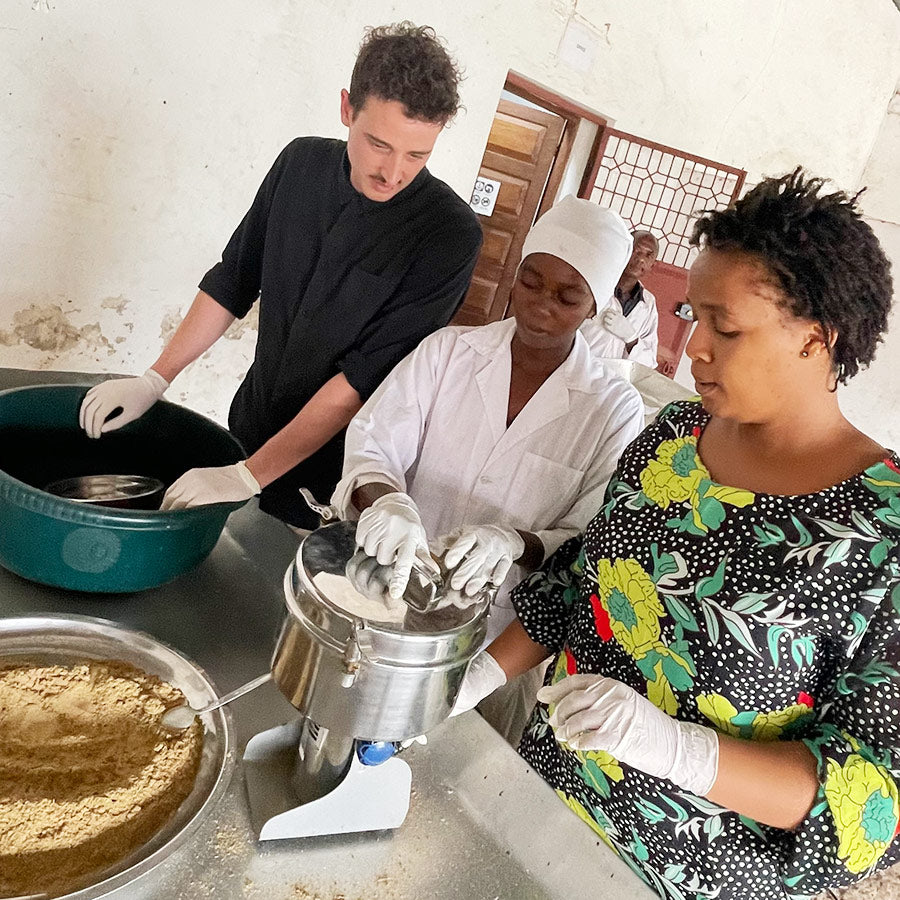
We invest in infrastructure and farming communities, supporting them through training and the development of their cultivation practices. Our aim is to strengthen local structures and create long-term opportunities.
Fair prices and reliable cooperation are important parts of our trading model. They help provide better economic opportunities for smallholder farmers and their families.
By choosing our hibiscus flowers, you're choosing a product for which we put its origin and the people behind its cultivation first.
How to Make Hibiscus Tea at Home
One of the most popular uses for dried hibiscus flowers is making tea. Its fruity, tart flavour and vibrant red colour make it an interesting alternative to traditional teas.
Because pure hibiscus flowers contain no tea leaves, the infusion is naturally caffeine-free. All you need to prepare it is our dried hibiscus flowers and hot water.
How to Prepare Hibiscus Tea Step by Step
- Prepare the hibiscus flowers: Place approximately one to two teaspoons of dried hibiscus flowers in a cup or tea infuser.
- Add hot water: Pour around 250 ml of freshly boiled water over the flowers.
- Leave to steep: Allow the tea to infuse for approximately five to ten minutes.
- Remove the flowers: Strain the infusion or remove the tea infuser from the cup.
- Adjust to taste: Enjoy your hibiscus tea on its own or add other ingredients according to your preferences.
These quantities and steeping times are intended as a guide. The longer you steep the flowers, the stronger and more tart the infusion may become.
If you prefer a milder, sweeter version, you can add a little honey or sugar. A slice of orange also complements the fruity aroma beautifully.
Combining Hibiscus with Other Spices
Hibiscus combines wonderfully with other spices and fruits. Ingredients that complement its fruity acidity with warm or slightly spicy aromas are especially interesting.
Our ginger from Tanzania creates an aromatic combination. Its fruity heat offers an interesting contrast to the tart flavour of hibiscus.
Our Cinnamon Sticks are also a great match. They add warm, gently sweet spice to the infusion, creating a balanced flavour experience.
For more variations, combine hibiscus with orange peel, apple pieces or berries. This allows you to create different tea blends tailored to your personal preferences.
Hibiscus Iced Tea – Make Your Own Fruity Refreshment
Hibiscus is a versatile base for chilled drinks, especially on warm days. Its fruity, tart aroma and intense red colour make it perfect for homemade iced tea.
Hibiscus pairs particularly well with strawberries, raspberries, citrus fruits and mint. These fresh ingredients complement the infusion's flavour and bring additional variety to your glass.
To make simple hibiscus iced tea, first prepare a slightly stronger infusion. Let it cool, then place it in the refrigerator. Serve with ice cubes and fresh fruit.
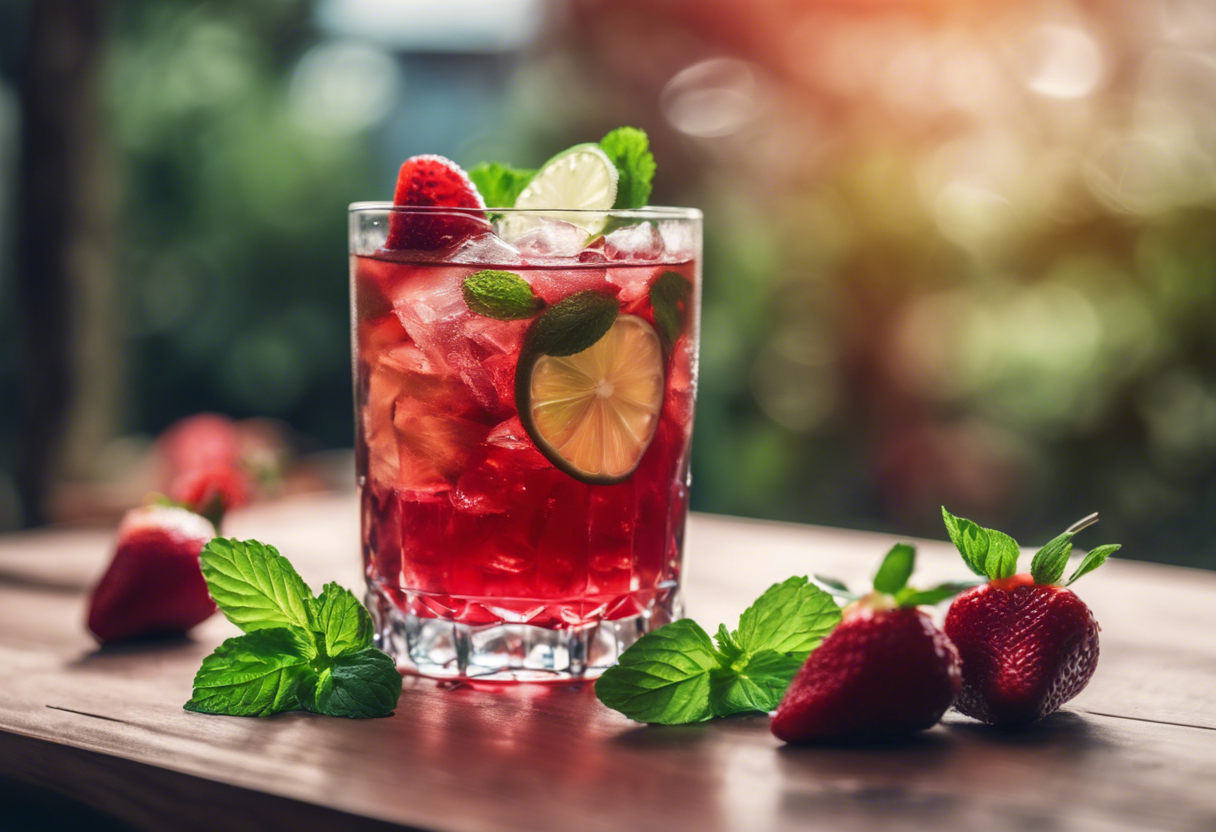
Strawberry Hibiscus Iced Tea for Summer
To make homemade strawberry hibiscus iced tea, you'll need:
- Water: 500 ml
- Dried hibiscus flowers: 2–3 teaspoons
- Fresh strawberries: One handful
- Ice cubes: A few
- Sweetener: A little sugar or an alternative, to taste
Pour boiling water over the hibiscus flowers and let them steep for around ten minutes. Strain the infusion and allow it to cool completely.
Cut the strawberries into small pieces and place them in a glass with the ice cubes. Pour over the chilled hibiscus tea. Add sweetener if you prefer a sweeter drink.
With our dried hibiscus flowers, you can adapt this recipe to suit your preferences at any time. For example, try adding raspberries, fresh mint or a slice of orange.
Using Dried Hibiscus Flowers in Cooking and Baking
Hibiscus isn't just an interesting ingredient for tea. Its distinctive aroma can also be used in many ways in cooking and baking.
Its fruity acidity pairs particularly well with sweet ingredients. It can add a pleasantly fresh note to desserts and create interesting flavour contrasts.
Hibiscus for Desserts and Baked Goods
For muffins, cakes or fruity creams, you can use our hibiscus flowers as a concentrated infusion, for example. This allows the flavour to be incorporated evenly into liquid ingredients.
Hibiscus is also an excellent base for homemade syrup. To prepare it, steep the flowers in hot water and then combine the infusion with sugar to make an aromatic syrup.
The syrup is suitable for enhancing desserts, fruit salads and alcohol-free cocktails. Its fruity acidity creates an interesting contrast with sweet ingredients.
Our kitchen tip: When baking with hibiscus, remember that it has a noticeable acidity. Start with small quantities and adjust the sweetness of your recipe accordingly.
Enhancing Savoury Dishes with Hibiscus
Savoury recipes can also benefit from a fruity, tart element. Hibiscus allows you to experiment with new flavour combinations that bring sweet and spicy ingredients together.
A hibiscus infusion can serve as the base for fruity sauces or chutneys, for example. Combining it with onions, ginger and mild spices is particularly interesting.
The acidity of hibiscus can balance sweeter ingredients and complement savoury dishes. For marinades, you can combine a cooled hibiscus infusion with a little oil and other spices.
We recommend starting with small quantities and gradually adjusting the intensity. This allows the different ingredients to complement one another harmoniously.
Hibiscus Flowers for Syrups and Creative Drinks
Homemade hibiscus syrup opens up numerous possibilities for creative drinks. Its deep red colour and fruity, tart aroma bring variety to both classic and new recipe ideas.
You can mix it with sparkling mineral water to create a refreshing lemonade or use it as an ingredient in mocktails and cocktails. It can also enhance desserts and fruity sauces.
For a simple syrup, first prepare a strong hibiscus infusion. Then add sugar and heat the mixture until the sugar has completely dissolved.
You can adjust the sweetness and intensity to your liking. For a stronger hibiscus flavour, use a more concentrated infusion.
Pour the finished syrup into a clean bottle and store it in the refrigerator. Since its shelf life depends on sugar content, heating and hygiene, we recommend preparing smaller quantities and using them promptly.
Discover Ready-Made Hibiscus Tea Blends
If you enjoy combining hibiscus with other flavours but don't want to create your own blend, a ready-made tea blend is a convenient option.
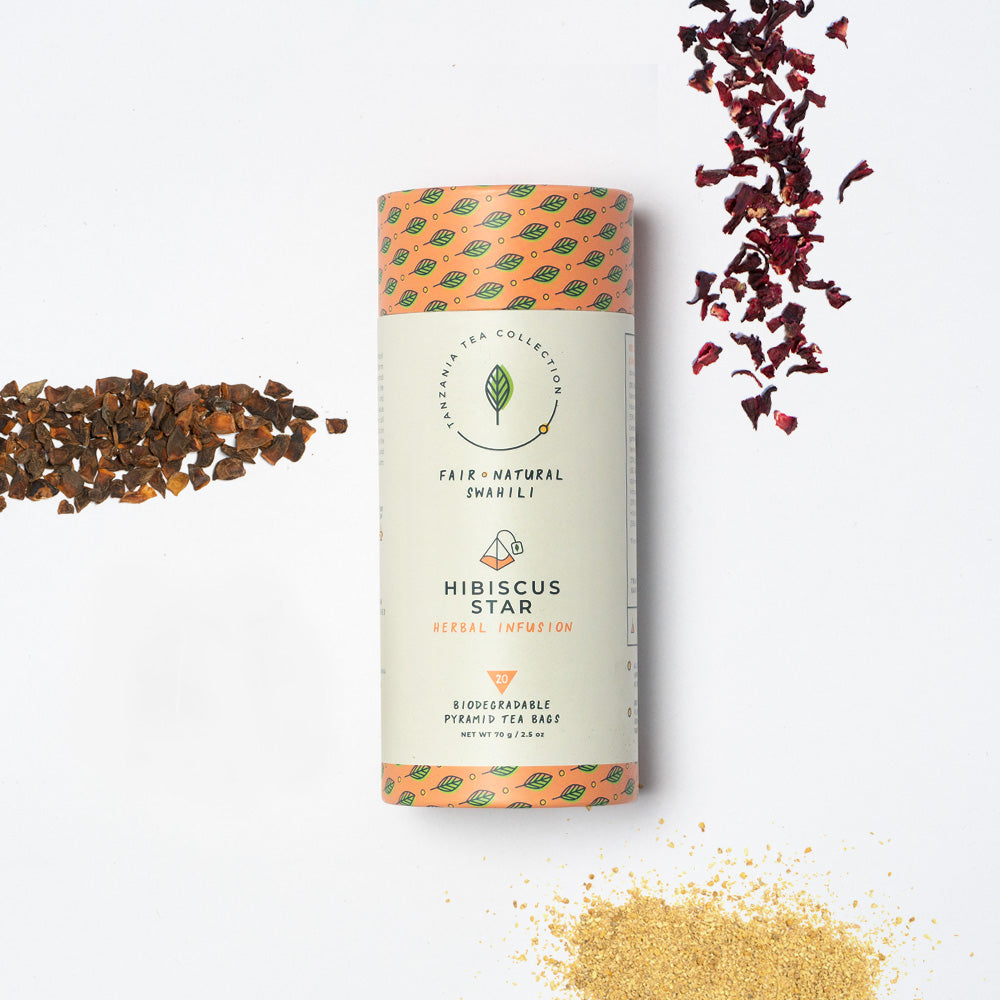
The KAZI YETU Hibiscus Star Tee Tubes combine hibiscus with ginger and star anise. The result is a fruity, spicy blend with a different flavour profile from a pure hibiscus infusion.
The tea blend comes from Tanzania and is available in a pack containing 20 pyramid tea bags. It makes enjoying an aromatic tea break wonderfully easy.
Whether you prefer our pure hibiscus flowers or want to discover a ready-made blend, both options showcase the distinctive flavour of hibiscus in different ways.
How to Store and Measure Dried Hibiscus
Proper storage is important for helping your hibiscus flowers retain their distinctive aroma for as long as possible. Moisture, direct sunlight and significant temperature fluctuations can particularly affect the quality of dried flowers.
We recommend storing your hibiscus flowers in a dry, tightly sealed container, protected from light in a kitchen cupboard. Avoid open containers near the stove or directly beside a window.
When opening the packaging, check for the characteristic fragrance and make sure the flowers remain dry. Also follow the best-before date and storage instructions on the packaging.
How Much Hibiscus Do You Need for Tea?
The ideal quantity depends on your personal preferences and the desired intensity. As a starting point, approximately one to two teaspoons of dried hibiscus flowers per 250 ml of water works well.
For a stronger infusion, you can carefully increase the quantity. Longer steeping times often bring out the fruity acidity more noticeably.
Our tip: Experiment with different quantities and steeping times until you find your preferred intensity. When using hibiscus in sauces or desserts, we also recommend starting with small amounts.
Buy Hibiscus Online at 1001 Organic
Whether you enjoy trying new teas, making your own syrups or adding fruity aromas to desserts, our dried hibiscus flowers offer numerous possibilities.
We source our natural hibiscus from Tanzania and prioritise transparent origins. The fruity, tart aroma and vibrant red colour make the flowers a versatile ingredient for your kitchen.
Our hibiscus flowers come directly from smallholder farmers. Through these partnerships, we pursue our commitment to fair trading relationships and responsible treatment of the people and regions our products come from.
You receive pure hibiscus flowers without any added ingredients, allowing you to use them for drinks and dishes exactly as you wish.
If you want to buy hibiscus online, you'll find an aromatic ingredient in our shop that suits both classic tea recipes and creative culinary ideas.
Discover our hibiscus flowers from 1001 Organic now and bring new colours and fruity flavours to your kitchen.
Frequently Asked Questions About Hibiscus
Where Can You Buy Hibiscus?
You can buy edible dried hibiscus flowers from spice shops, tea shops and specialist online stores. We offer natural hibiscus flowers from Tanzania, sourced directly from smallholder farmers.
Can You Use Dried Hibiscus Flowers for Tea?
Yes, dried hibiscus flowers are ideal for making tea. Pour 250 ml of boiling water over approximately one to two teaspoons and let the infusion steep for around five to ten minutes. You can adjust the steeping time to achieve your preferred intensity.
What Does Hibiscus Tea Taste Like?
Hibiscus tea has a fruity, tart flavour that can be reminiscent of rosehips, red berries and pomegranate. The intensity depends on the quantity used and the steeping time. You can balance the acidity with a little honey or sugar to suit your taste.
Are 1001 Organic Hibiscus Flowers Certified Organic?
Our hibiscus flowers are not certified organic. They are natural, contain 100% hibiscus and come directly from smallholder farmers in Tanzania. We place great importance on transparent information about our products' origins and characteristics.
Can You Drink Hibiscus Tea Cold?
Yes, hibiscus tea can be cooled after brewing and enjoyed as iced tea. It pairs particularly well with strawberries, mint, lemons and other fruits. Served with ice cubes, it makes a refreshing fruity, tart drink.
What Can You Use Hibiscus for Besides Tea?
Dried hibiscus flowers are suitable for syrups, lemonades, cocktails, desserts and fruity sauces. You can also use a concentrated hibiscus infusion to add flavour when baking. Combining it with sweet ingredients is particularly interesting.
Is Hibiscus the Same as Rosehip?
No. Hibiscus and rosehips come from different plants. Both can have a fruity, tart flavour and are commonly used for tea, but each has its own distinctive aroma.
Matching recipes



Bestsellers






















Natural & Fair
• Sustainable farming practices
• Local communities
• Direct partnerships
• Effective value creation at the source of the spices
• Farm to Kitchen concept
• Protection of biodiversity
• Fair working conditions

