






A tomato sauce can be wonderfully simple and still taste delicious. Sometimes all you need are ripe tomatoes, olive oil and a little basil. On other days, you might prefer a bolder sauce with aromatic oregano, black pepper or a pleasant chilli kick. The right tomato sauce spices help you create exactly the flavour you want from just a few ingredients.
We offer a selection of organic herbs and spice blends for this purpose. Our Organic Basil highlights the fruity character of tomatoes, while Organic Oregano adds a more savoury note. With our Arrabbiata Pasta Mix, you can prepare a spicy tomato sauce without having to measure out several individual spices. This turns a simple base into a sauce that pairs well with pasta, gnocchi, vegetables or a hearty bake.
Which Spices Go Well with a Good Tomato Sauce?
Tomatoes have a natural combination of sweetness, acidity and savoury flavours. Your seasoning should complement these characteristics. A particularly fruity sauce often needs very few additional aromas. If the tomatoes taste rather mild, onions, garlic and suitable herbs can add more depth.
Basil and oregano are especially popular, but pepper, thyme and chilli also have their place in tomato-based cooking. The important thing is that the individual ingredients work together rather than competing with each other. A mild basil sauce, for example, develops a very different character from a boldly seasoned sauce with rosemary and chilli.
The Most Important Spices for Tomato Sauce
- Basil: Sweet, mild and slightly peppery. Particularly suitable for fruity, uncomplicated sauces.
- Oregano: Aromatic and slightly bitter. Ideal for rich tomato dishes and longer cooking times.
- Black pepper: Adds a warm, peppery note and complements the flavour of tomatoes.
- Garlic: Creates a savoury base and pairs beautifully with olive oil.
- Thyme: Adds aromatic herbal seasoning, particularly to vegetables and pulses.
- Rosemary: Intense and slightly resinous. Best suited to hearty, slow-cooked dishes.
- Chilli: For a hot variation, such as an all'arrabbiata sauce.
- Bay leaves: Can provide a subtle, savoury background note in slowly cooked sauces.
You do not need to use all these spices. Particularly with a classic tomato sauce, it is worth deciding on a clear flavour direction first and adding more ingredients only after tasting.
Three Tomato Sauces with Completely Different Characters
The same tin of strained tomatoes can be turned into entirely different sauces. The difference lies not only in the amount of seasoning, but above all in which aromas you combine.
Fruity and Mild with Basil
This variation pairs well with spaghetti, gnocchi or a light pasta dish with mozzarella. The sauce is made from tomatoes, olive oil, a little garlic and basil. Thanks to the restrained seasoning, the flavour of the tomatoes remains clearly noticeable.
Hearty and Bold with Oregano
For a more savoury sauce, you can slowly sauté onions, add tomato purée and simmer the tomatoes with oregano. A little black pepper works particularly well here. This variation is suitable for vegetable bakes and oven-gratinated dishes, for example.
Spicy and Aromatic with Chilli
If you prefer noticeable heat, combine tomatoes with garlic, chilli and Mediterranean herbs. You can use our Arrabbiata Pasta Mix for this. The blend already contains several spices and is particularly suitable for a richly flavoured pasta sauce.
All three variations can be prepared without much effort. Your choice of spices determines which flavour takes centre stage.
Organic Basil for a Delicately Balanced Tomato Sauce
Basil and tomatoes are a familiar pairing in Mediterranean cuisine. The herb has a mild, slightly sweet aroma that goes particularly well with fruity tomato varieties. This makes it suitable for sauces where just a few carefully selected ingredients should be enough.
Our Organic Basil comes from Kosovo. The gently dried leaves retain their characteristic herbal flavour and are easy to measure out. We offer this pure organic herb in a 15 g pack.
For a sauce made with 400 g of strained tomatoes, you can start with approximately half a teaspoon of dried basil. Add it during cooking and let it infuse for a few minutes. This allows its aroma to blend with the tomatoes and olive oil.
Basil is particularly suitable if you plan to combine the sauce with mozzarella, Parmesan or mild vegetables.
Oregano Adds More Depth to Slowly Simmered Sauces
When a sauce simmers slowly on the hob, the herbal seasoning can be slightly more pronounced. Oregano is a good choice because its aromatic, slightly bitter character pairs particularly well with cooked tomatoes.
Our Organic Oregano grows in the mountainous regions of Kosovo. The leaves are dried and have an intense Mediterranean aroma. The product consists exclusively of organic oregano and is also available in a 15 g pack.
How to Combine Oregano and Basil
Both herbs pair well with tomatoes, but you do not have to use equal amounts. For a milder sauce, you can make basil the main herb and add just a little oregano. If you want stronger, slightly bitter seasoning, the opposite ratio works too.
For example, a combination for 400 g of tomatoes could include:
- Organic Basil: ½ tsp for a mild herbal base.
- Organic Oregano: ¼ tsp for an additional savoury note.
- Black pepper: A small amount, freshly ground.
- Garlic: One clove, finely chopped and briefly sautéed.
These quantities are a starting point, not a fixed rule. Taste the sauce during cooking so you can adjust the herbs to the tomatoes you are using.
Cooking Time Also Affects the Seasoning
A sauce made with fresh cherry tomatoes is often ready in a short time. By contrast, a rustic tomato sauce with onions and root vegetables needs longer for the ingredients to soften and their flavours to combine.
As a sauce reduces, water evaporates. This changes not only its consistency but also the intensity of salt, acidity and spices. If you season a sauce heavily at the beginning, it may taste too intense after reducing.
Using Spices According to Cooking Time
- 10 to 15 minutes: Basil, a little garlic and a final touch of pepper work well in a quick sauce.
- 20 to 30 minutes: Oregano can simmer with the sauce and develop a more pronounced herbal note.
- 45 minutes or longer: Bay leaves or a small amount of thyme may be interesting additions to richer sauces.
- Just before serving: Freshly ground pepper and fresh herbs can give the flavour a final lift.
You do not necessarily need to cook a tomato sauce for hours. What matters is the consistency and flavour you want to achieve.
Arrabbiata Pasta Mix for Lovers of Spicy Sauces
In a hot tomato sauce, chilli alone is often not enough to create a balanced flavour. Garlic, herbs and other spices ensure that the sauce tastes varied and aromatic despite its pronounced heat.
Our Arrabbiata Pasta Mix combines oregano, onions, salt, coriander, paprika, garlic, basil, chilli, rosemary, fennel, lemon zest and sage. The blend comes from Tanzania and is available in a 45 g pack.
The different ingredients create a savoury base that you can stir directly into your tomato sauce. The combination pairs particularly well with penne, spaghetti and other pasta varieties.
How to Achieve Pleasant Chilli Heat
For 400 g of tomatoes, start with half a teaspoon of Arrabbiata Pasta Mix. Stir in the blend and let the sauce simmer gently for a few minutes. Then taste it to see whether the heat matches your preferences.
As the blend already contains salt, you should add any additional salt only at the end. You can also prepare a larger batch of mild tomato sauce and season just part of it with Arrabbiata if not everyone at the table enjoys spicy food.
Black Pepper for a Delicate Finishing Touch
Black pepper works particularly well when a tomato sauce already tastes aromatic and needs only a peppery accent. It complements the other ingredients without necessarily introducing another dominant herbal flavour.
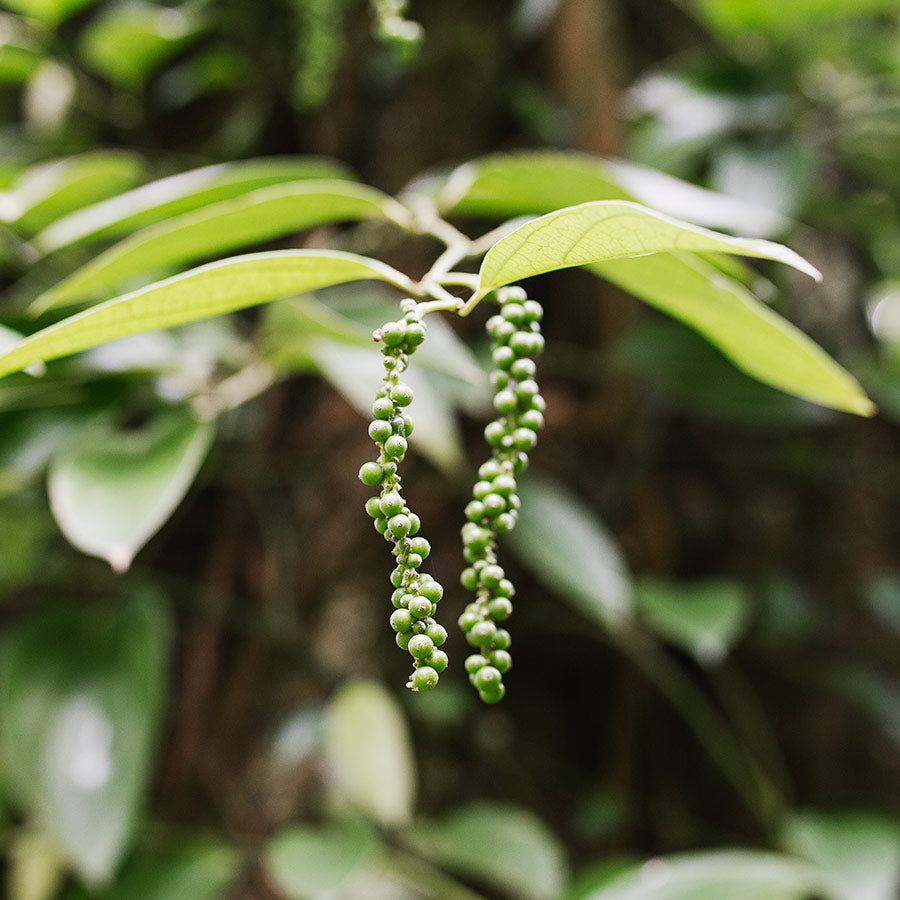
Our black pepper comes from Tanzania and is offered as whole peppercorns. Its aroma combines bold seasoning with delicate hints of cocoa, lemon and flowers.
For a basil-based sauce in particular, you can grind the pepper fresh immediately before serving. In a rich sauce with onions and oregano, it can also be added during cooking.
Start with just a few turns of the pepper mill. If you are pairing the sauce with cheese or other strongly flavoured ingredients, even a small amount may be enough.
Herb Blends for Tomato Sauces with Vegetables
Tomato sauce is not always served exclusively with pasta. If it forms the base of a vegetable bake, stuffed peppers or a dish with white beans, several herbs can be combined.
Our Organic Herbes de Provence contains thyme, rosemary, basil, oregano, savory, bay leaves and lavender. The herbs come from Kosovo and are certified organic.
This blend has a stronger, partly floral character compared with basil alone. It therefore pairs particularly well with tomato sauces containing aubergines, courgettes, mushrooms or slowly cooked pulses.
For a simple pasta sauce, however, we recommend starting with just basil or oregano. This keeps the flavour profile clear and allows the tomatoes to remain the main focus.
Recipe: Quick Tomato Sauce with Onions, Basil and Oregano
This sauce is perfect for days when you want to cook something aromatic without a lengthy preparation. Rather than roasting fresh tomatoes or reducing the sauce for a long time, we use strained tomatoes and develop the flavour with slowly sautéed onions and a small combination of herbs.
Ingredients for Four Servings
- 700 g strained tomatoes (passata)
- 1 medium onion
- 2 garlic cloves
- 2 tbsp olive oil
- 1 tbsp tomato purée
- 1 tsp Organic Basil
- ½ tsp Organic Oregano
- A little freshly ground black pepper
- Salt to taste
- Optionally a small pinch of sugar
- A little water if needed
Preparation
Peel the onion and cut it into very small cubes. Finely chop the garlic and prepare the remaining ingredients.
Heat the olive oil in a saucepan and gently sauté the onion over medium heat. It should soften and develop a slightly sweet aroma without turning dark brown. Add the garlic and cook briefly.
Add the tomato purée and stir it in for approximately one minute. Then pour the strained tomatoes into the saucepan. Mix everything thoroughly and slowly bring the sauce to a gentle simmer.
Add the Organic Basil and Organic Oregano. Let the sauce simmer gently over low heat for approximately 20 to 25 minutes, stirring occasionally. If it becomes too thick, add a little water.
Season the tomato sauce with salt and freshly ground pepper. If the tomatoes taste particularly acidic, you can optionally add a small pinch of sugar. Taste the sauce again afterwards and decide whether the seasoning is balanced.
Serve it with your favourite pasta or use it as the base for a vegetable dish. If you prefer spicy food, you can season a small portion separately with Arrabbiata Pasta Mix.
When Your Tomato Sauce Doesn't Taste Quite Right
Even a carefully prepared sauce can taste unbalanced. With tomatoes in particular, much depends on how sweet, acidic or intensely flavoured the fresh or preserved tomatoes are.
Before adding more spices, consider which flavour component is actually missing. Sometimes all the sauce needs is a little salt or a longer cooking time.
Common Problems When Adjusting the Seasoning
- Too acidic: Try simmering the sauce gently for longer first. If necessary, some finely cooked carrot or a little sugar can help balance the acidity.
- Too sweet: A small amount of acidity, such as lemon juice, can create a contrast.
- Not savoury enough: Check the salt level first, then add oregano or pepper.
- Too much oregano: Dilute the sauce with more unseasoned tomatoes rather than adding further herbs.
- Too hot: Add more mild tomatoes to spread the chilli heat through a larger quantity of sauce.
- Too thin: Continue reducing the sauce without a lid.
- Too thick: Add a few tablespoons of water or some pasta cooking water.
With strongly aromatic herbs in particular, it is worth waiting a little after each addition and tasting the sauce again. This helps prevent over-seasoning.
Make Your Own Spice Blend for Tomato Sauce
If you regularly prepare tomato sauces, you can combine dried herbs in advance and keep the blend in your pantry. The advantage is that you decide on the ingredients yourself and can adjust the amount of salt separately for every dish.
For a mild Mediterranean blend, you can use the following ingredients:
- Organic Basil: 3 tsp as a mild, aromatic base.
- Organic Oregano: 2 tsp for a stronger herbal note.
- Dried thyme: 1 tsp for additional seasoning.
- Dried garlic: ½ tsp for a savoury flavour.
- Black pepper: ¼ tsp for subtle heat.
Mix all the completely dried ingredients and transfer them to a clean, tightly sealed jar. Store the blend in a dry place away from light.
For approximately 400 g of strained tomatoes, you can start with one teaspoon of the herb blend. Add salt only during cooking. This also allows you to use the same seasoning for vegetable dishes or bakes.
This blend is a recipe idea and not a separately available ready-made product from our range.
Choose Tomato Sauce Spices at 1001 Organic
The herbs and spices you prefer depend on your cooking style. If you enjoy preparing simple pasta sauces, our Organic Basil and Organic Oregano can already provide an excellent base.
For a noticeably spicy variation, we offer our Arrabbiata Pasta Mix. With our black pepper, you can add an extra touch of seasoning to finished dishes.
If you want to combine tomato sauces with vegetables, beans or other hearty ingredients, our Organic Herbes de Provence is also an interesting option.
Explore our selection and decide whether you prefer your next tomato sauce to be mild and fruity, richly herbaceous or pleasantly hot.
Frequently Asked Questions About Tomato Sauce Spices
Which Spices Are Most Popular for Tomato Sauce?
Basil, oregano, garlic and black pepper are among the classic ingredients. Thyme and rosemary are also suitable for heartier dishes. If you want a hot tomato sauce, you can use chilli. The right spices depend on whether you are preparing a mild, Mediterranean-style or spicy sauce.
Which Spices Give Tomato Sauce a Particularly Italian Flavour?
Basil and oregano are frequently used in Italian-inspired tomato sauces. Combined with olive oil and garlic, they form an aromatic base. You do not have to use both herbs at the same time. A simple sauce with basil can taste just as good as a stronger variation with oregano and black pepper.
Which Is Better for Tomato Sauce: Oregano or Basil?
Oregano has a strong, slightly bitter flavour. Basil, on the other hand, has a milder, slightly sweet aroma. We recommend basil for a fruity tomato sauce, while oregano is particularly suitable for hearty sauces cooked for longer. Both herbs can also be combined if you prefer balanced Mediterranean seasoning.
How Much Seasoning Does Tomato Sauce Need?
For approximately 400 g of strained tomatoes, you can start with half a teaspoon of dried basil or oregano. If you use a blend of several herbs, around one teaspoon in total is often enough. The exact amount depends on the intensity of the spices and the other ingredients. Adjust the seasoning gradually as you taste.
When Should You Season Tomato Sauce?
You can add dried herbs such as basil and oregano during cooking so their flavours combine well with the tomatoes. Black pepper is also suitable as a finishing seasoning. If the sauce will reduce for a longer period, add salt sparingly at first and adjust the final seasoning only after reaching the desired consistency.
Why Does My Tomato Sauce Taste Too Acidic?
Tomatoes contain natural acids, and their intensity varies depending on the variety and ripeness. You can first let the sauce continue simmering gently and then taste it again. A small amount of finely cooked carrot or a little sugar may help balance the acidity. Adding too many extra herbs is usually not an effective solution.
Can You Make Tomato Sauce Seasoning Without Salt?
Yes. You can make a blend of basil, oregano, thyme, dried garlic and pepper without any added salt. This allows you to adjust the salt separately for each sauce. Use only dried ingredients and store the mixture in a tightly sealed container to protect it from moisture.
Which Tomato Sauce Spices Does 1001 Organic Offer?
We offer Organic Basil, Organic Oregano, black pepper and Organic Herbes de Provence. For spicy tomato sauces, you can also use our Arrabbiata Pasta Mix. The organic herbs come from Kosovo, while Arrabbiata Pasta Mix comes from Tanzania. This gives you several ways to prepare tomato sauces according to your personal taste.


Bestsellers





















Natural & Fair
• Sustainable farming practices
• Local communities
• Direct partnerships
• Effective value creation at the source of the spices
• Farm to Kitchen concept
• Protection of biodiversity
• Fair working conditions

