














Special spices spark curiosity and enrich your kitchen with new aromas. These unique ingredients often tell stories of their regions of origin, traditions and growing methods, making them a source not only of culinary delight but also of exciting food experiences.
What makes a spice “special”?
How they differ from everyday spices
While everyday spices such as salt and pepper provide basic flavours in many dishes, special spices stand out for their uniqueness. They open up new aromas and unusual combinations, often coming from rare regions of origin or brought out by special processing techniques. The result is a true flavour revolution that makes everyday cooking more exciting.
Typical uses
Special spices are used in creative kitchens, whether in fine-dining restaurants or modern home cooking. They add accents to desserts, drinks, marinades and dips – and not only in savoury dishes, but also in vegetable cooking, where they bring out colours and flavours in a fresh and extraordinary way.
Regions and culinary worlds
The exciting aromas of special spices can be found in a wide range of cuisines around the world. Mediterranean, African, Arabic and oriental cooking traditions use these fine ingredients, while Asian and Latin American influences are also becoming increasingly important. From the spiciness of North African cuisine to the complexity of Asian flavours – the world of special spices remains exciting.
Categories of special spices
Fine single spices
Intense, often hand-picked spices offer a distinctive aroma that has a strong effect even in small doses. From nutmeg and saffron to curry, these single spices are true artists of aroma.
Special pepper varieties
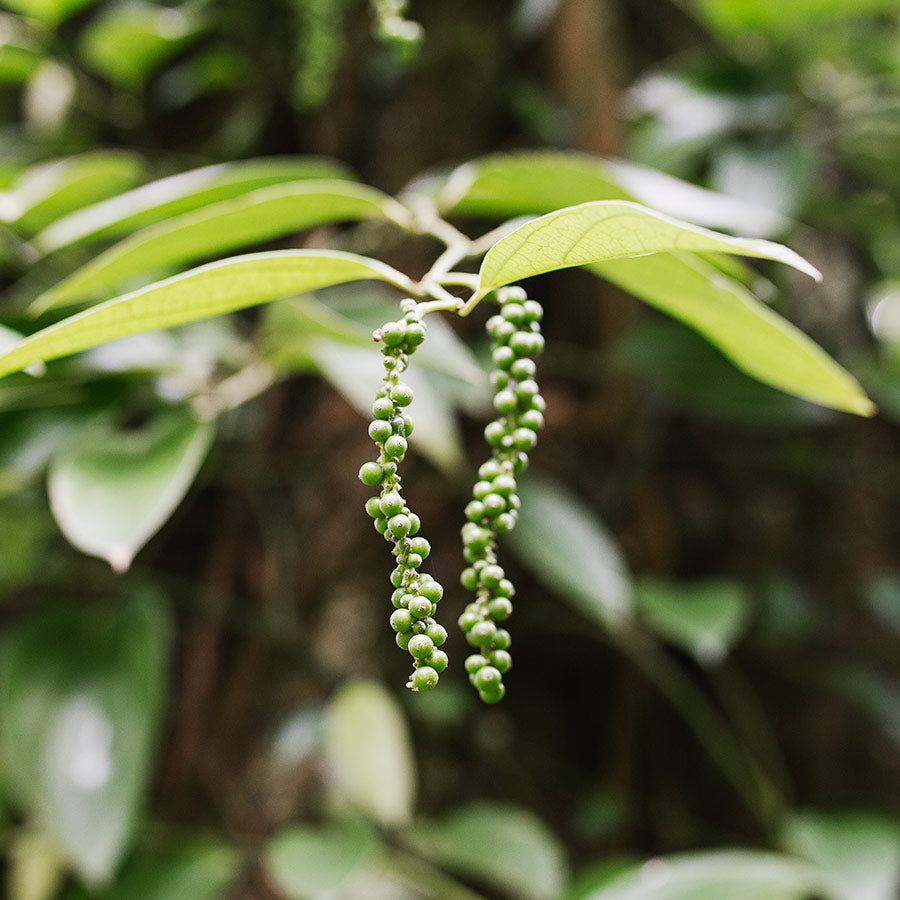
In the world of pepper, there are numerous varieties that stand out for their different heat and aroma profiles. From white Piper nigrum to the spicy, rounded notes of Tellicherry pepper, every occasion becomes a chance for a new taste experience.
Unusual chili and paprika varieties
From mild and fruity to intensely hot – unusual chili and paprika varieties each come with their own story of origin. These varieties open up numerous culinary possibilities to liven up dishes or add a little fire.
Aromatic roots, barks and seeds
Spices made from roots, barks or seeds not only fit wonderfully into the “special spices” category – they also offer an earthy, warm or floral character that can enrich dishes in many ways.
Fragrant flowers, fruits and pods
Used creatively in the kitchen, spices made from flowers, fruit clusters or pods develop complex fragrance profiles that can enrich both sweet and savoury dishes.
Special seasoned salts and spice blends
Seasoned salts and combinations of herbs and other spices are an exciting way to round off dishes harmoniously. These special blends create unforgettable taste experiences.
Classics among special spices
Saffron – the precious thread spice
Origin and special features
Saffron is obtained from the stigmas of a species of crocus and is known for its labour-intensive hand harvest. This great effort is why it is considered one of the most precious spices in the world.
Aroma and use
With a delicately spicy, slightly bitter taste and intense colour, saffron is preferably used in rice dishes, soups and fine baked goods to give them that special “wow” factor.
Vanilla – a fragrant pod for sweet and savoury dishes
Origin and character
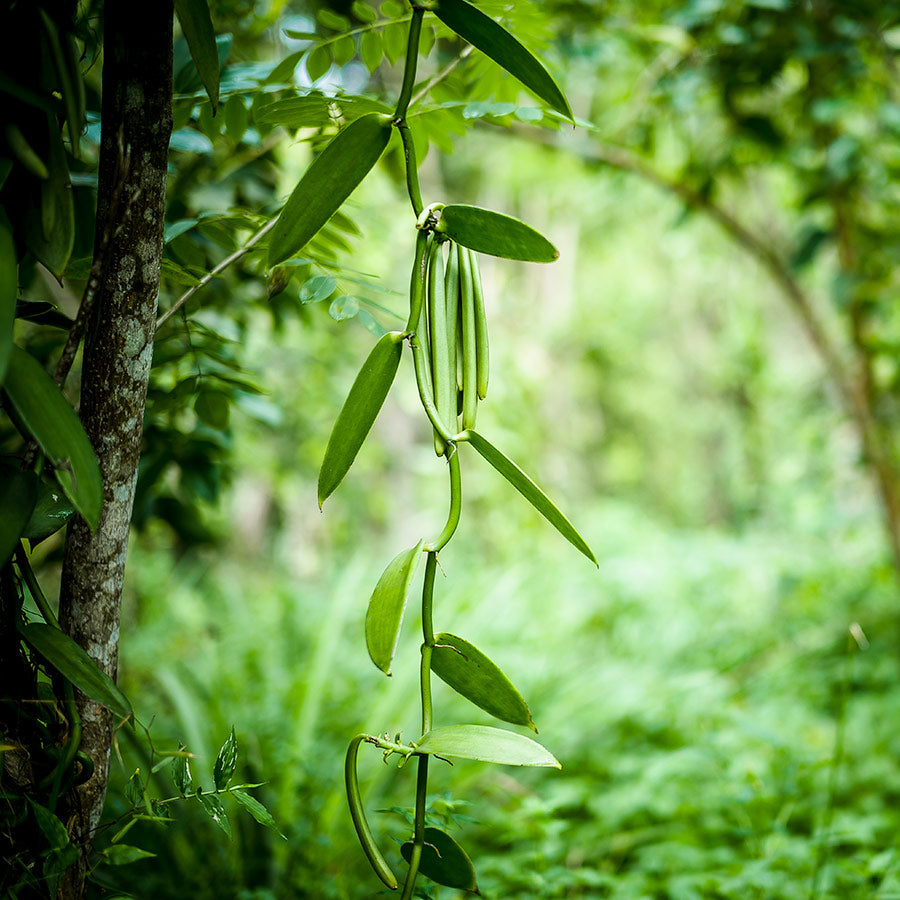
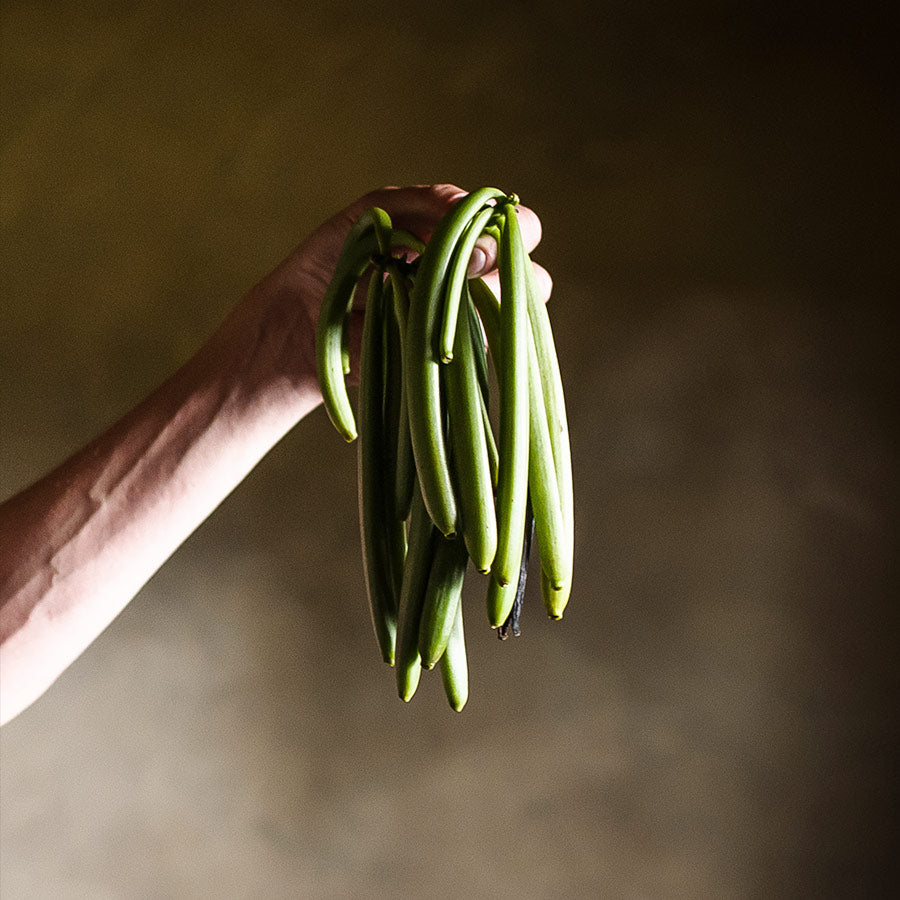
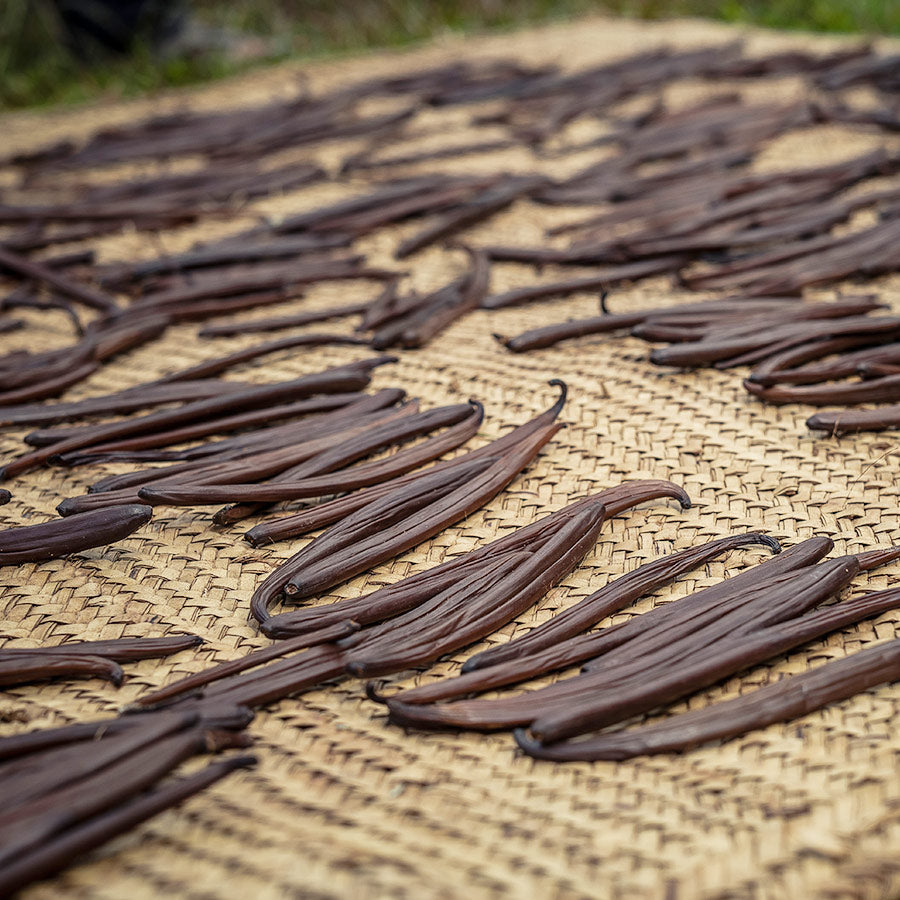
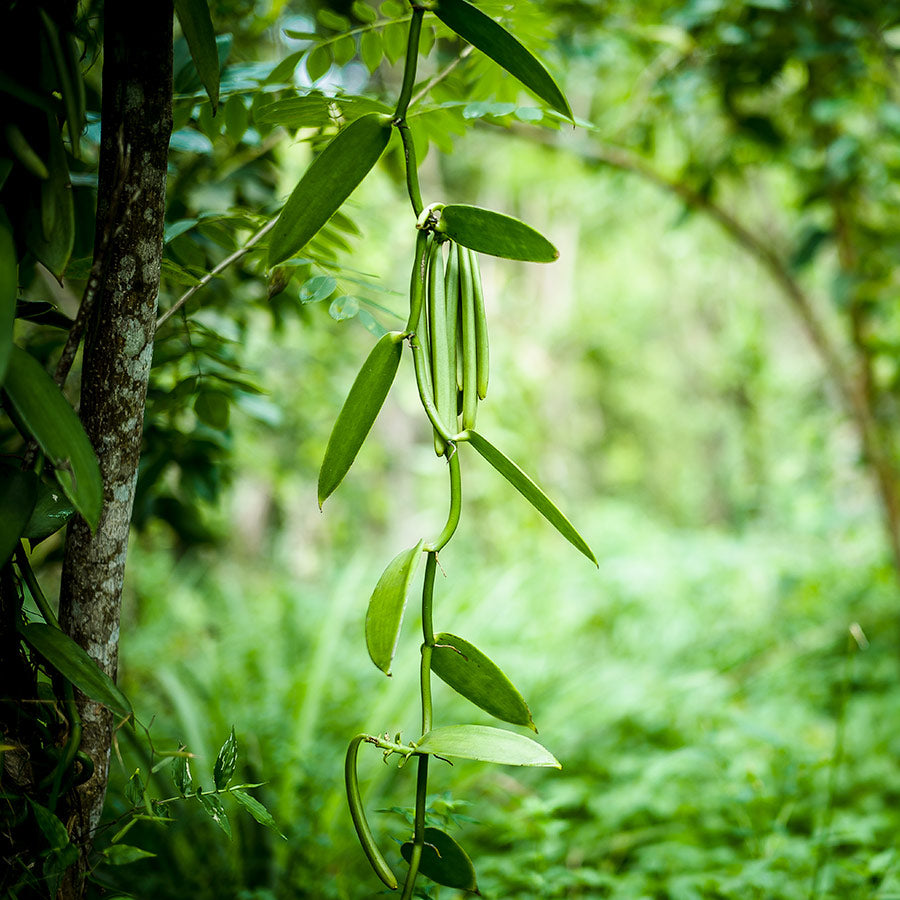
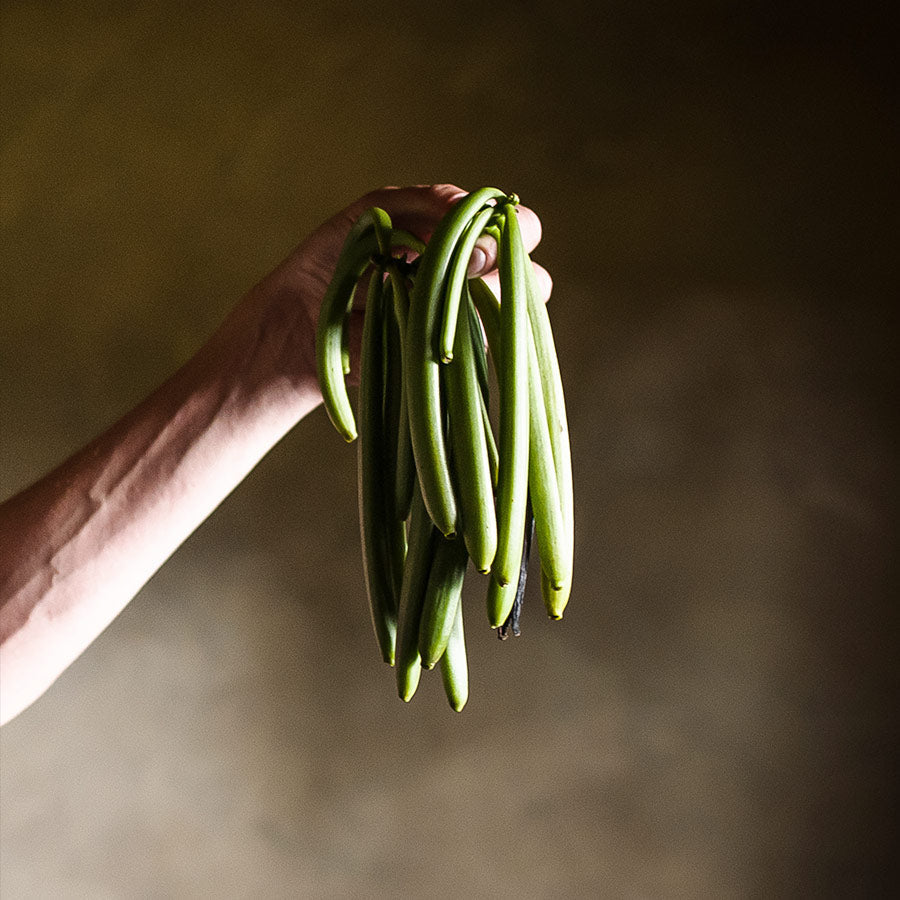
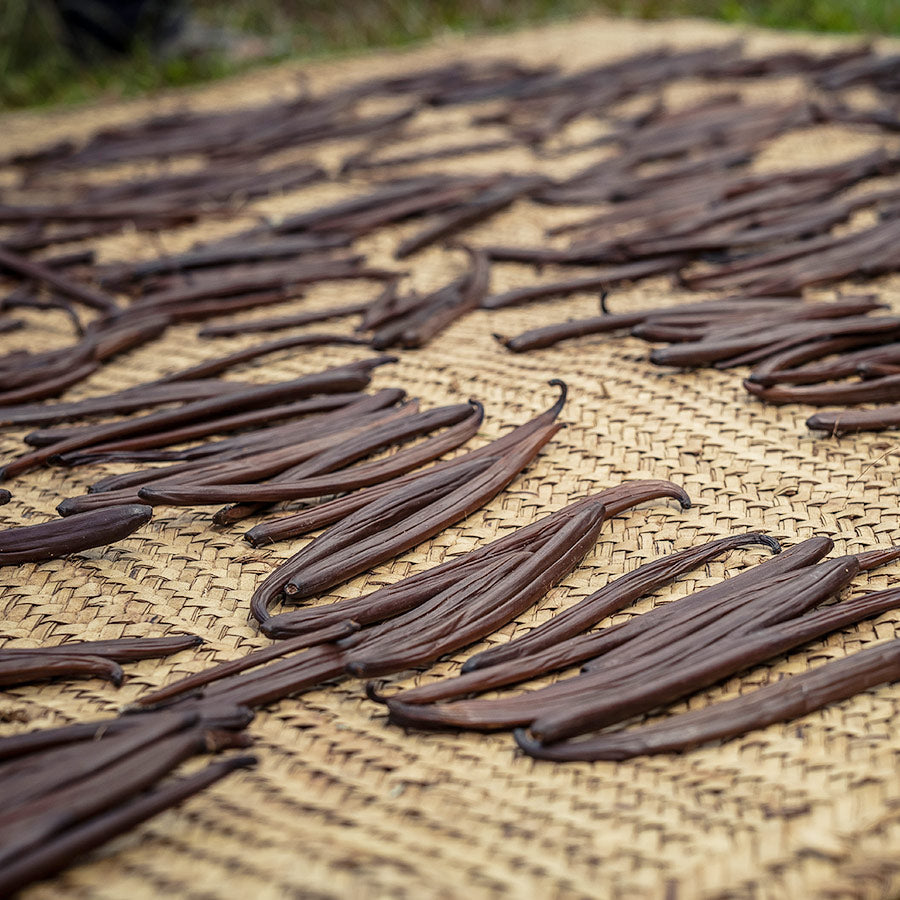
The vanilla pod comes from a climbing plant that thrives in tropical regions. Its sweet, warm aroma conveys a feeling of well-being and warmth.
Aromas and use
Vanilla is used not only in desserts, baked goods and hot drinks, but also has its place in savoury sauces, which impress with a touch of the exotic.
Cinnamon – more than a winter spice
Forms and origin
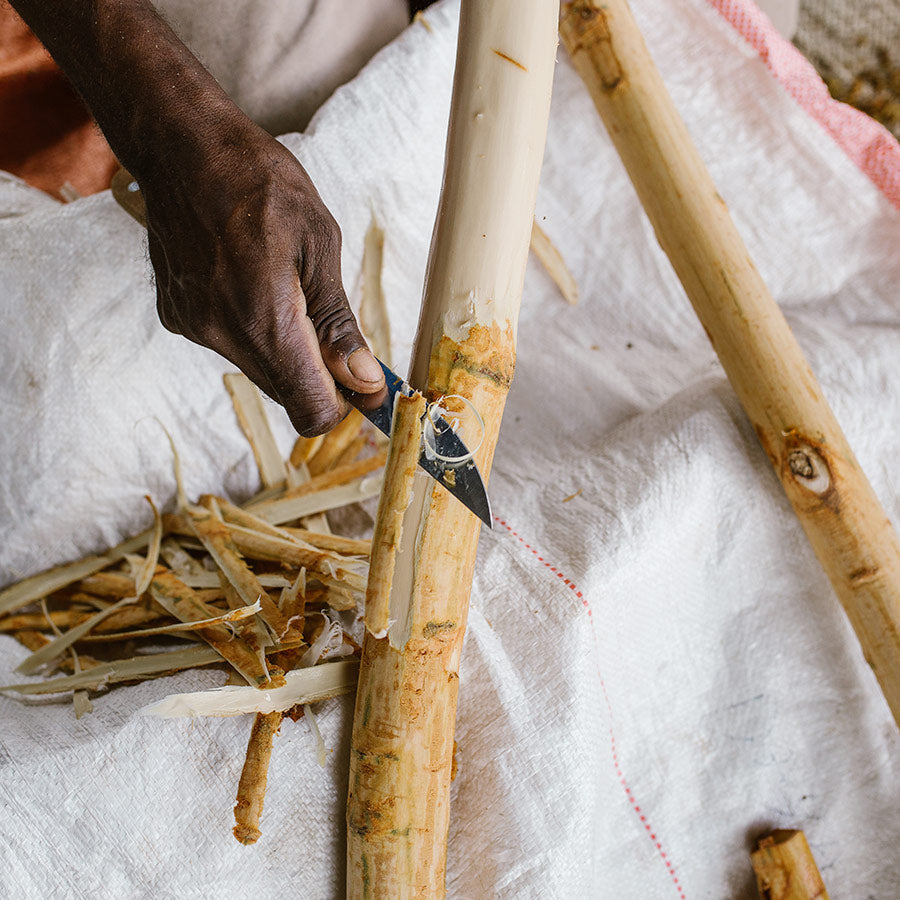
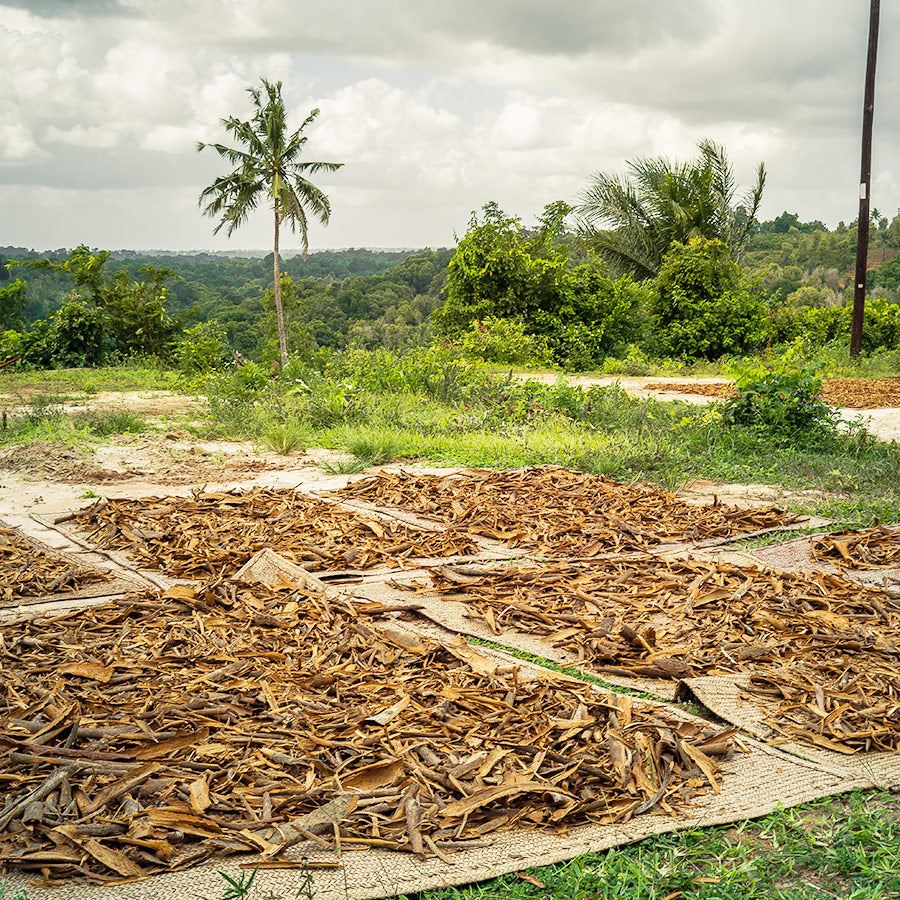
Cinnamon bark can be enjoyed as sticks or ground – depending on the desired intensity and the dish.
Aromas
Cinnamon is warm, sweet and spicy, and its intensity can vary greatly depending on the variety – perfect for a wide range of sweet dishes, but also for savoury ones.
Nutmeg – rounded warmth for many classics
Sensory profile
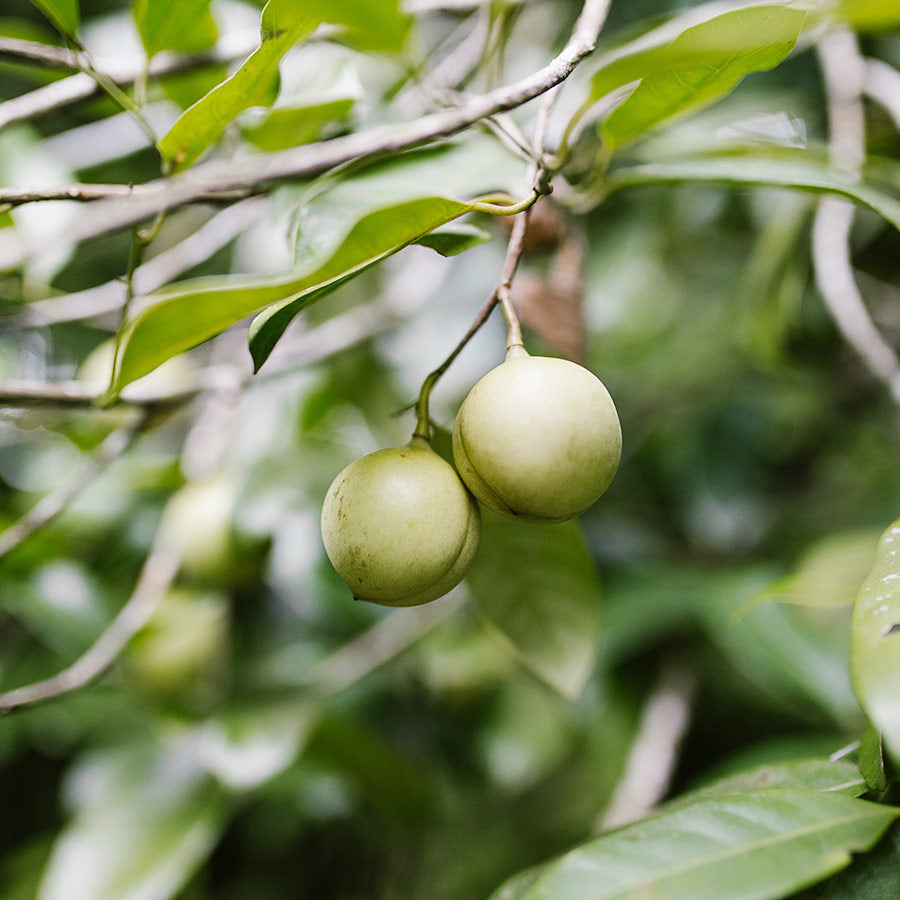
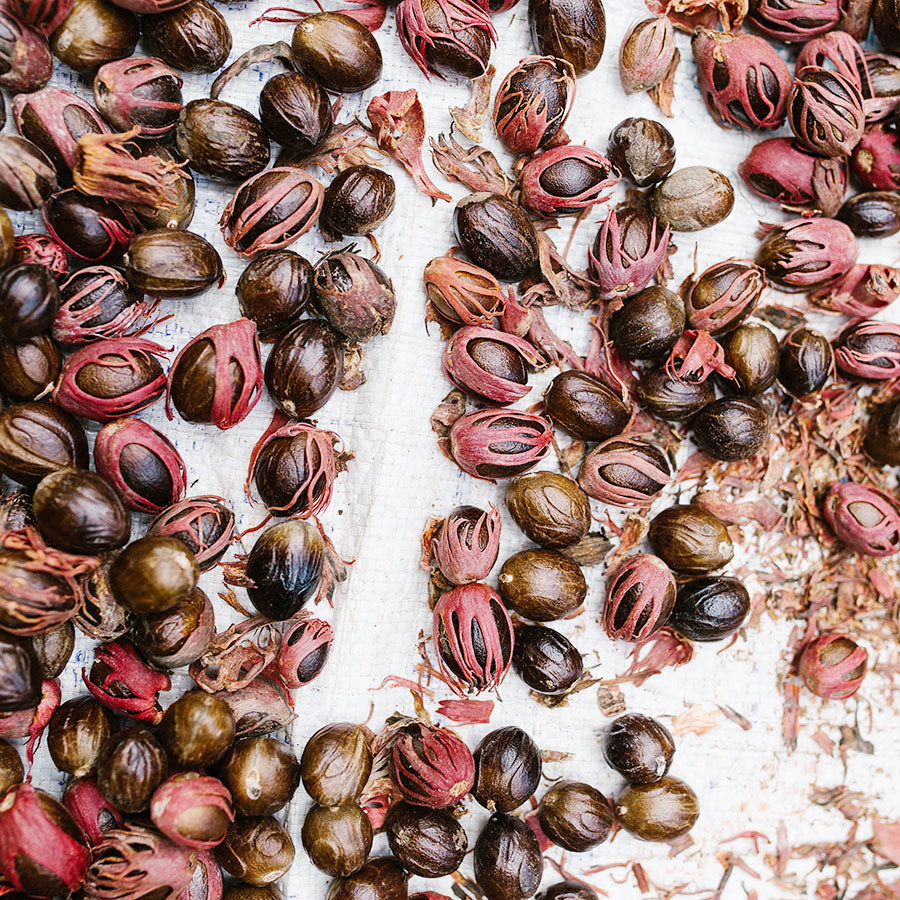
Nutmeg brings a spicy warmth to the kitchen – ideal for potato dishes, cream sauces and baked goods. It develops its full aroma especially when freshly grated.
Cloves – small buds with great intensity
Aroma
Cloves are characterised by their strong, sweetish and piquant taste, which develops wonderfully in stews and baked goods.
Cardamom – green, black and very versatile
Green cardamom
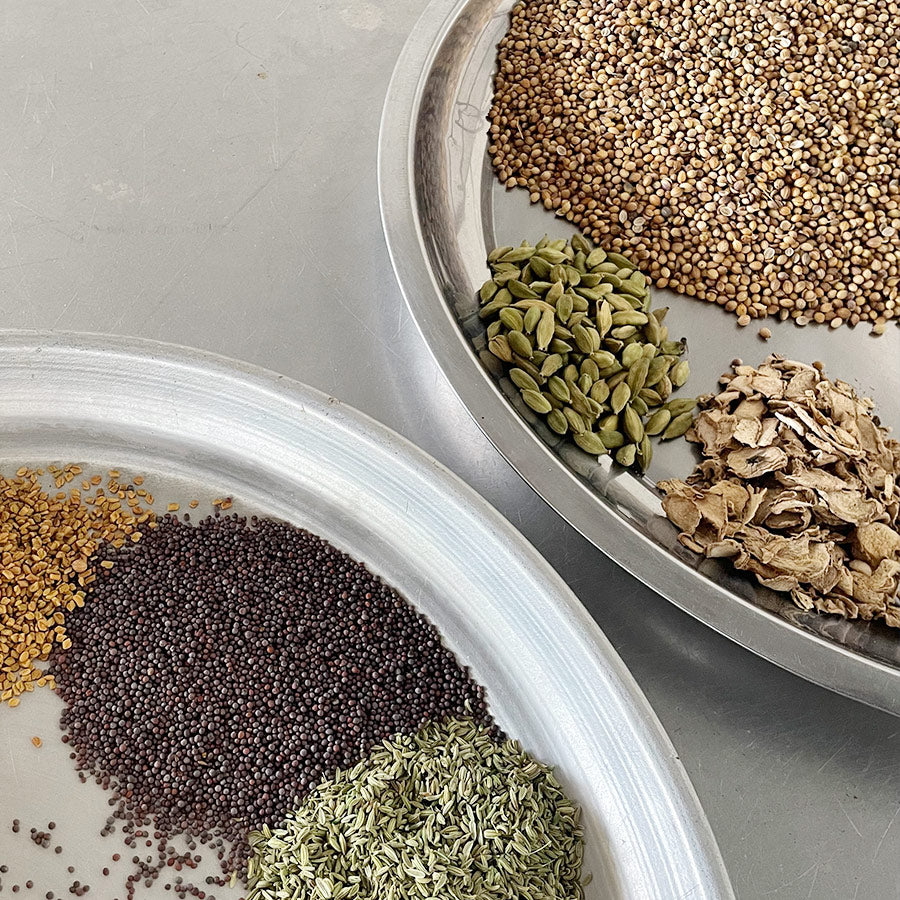
A spicy, sweetish and slightly floral taste that is popular in baked goods and desserts.
Black cardamom
With an earthy, smoky taste and notes of eucalyptus, it brings depth and complexity to savoury dishes.
Turmeric – the golden root
Form and fragrance
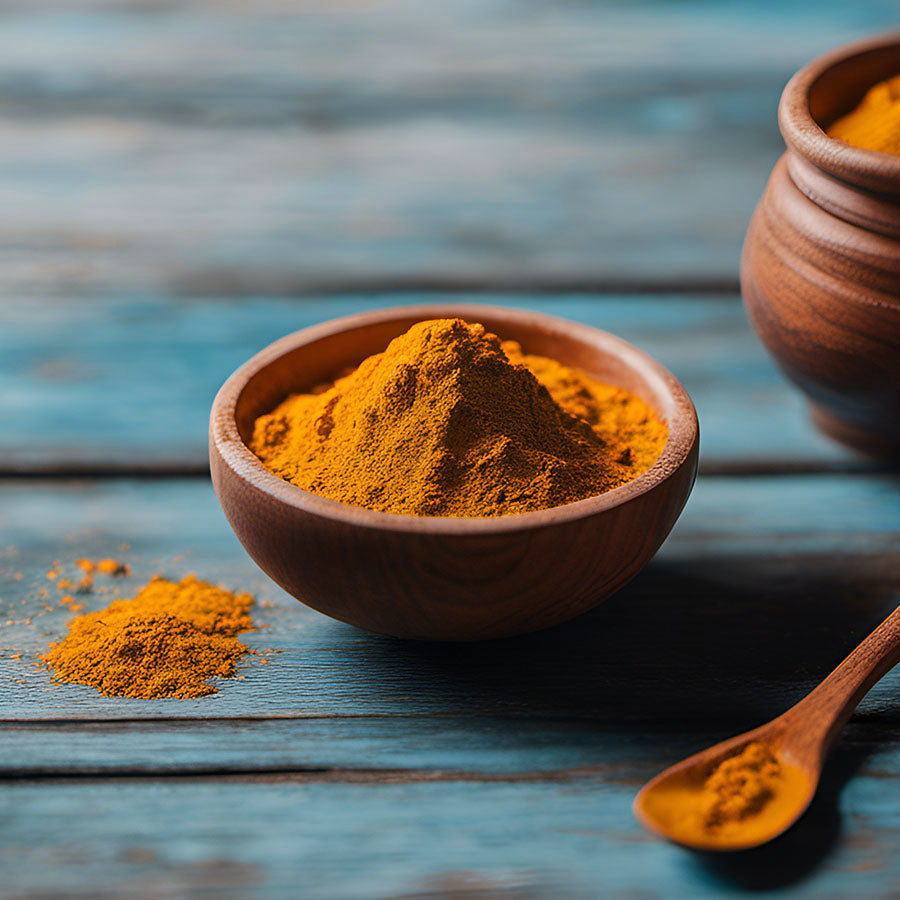
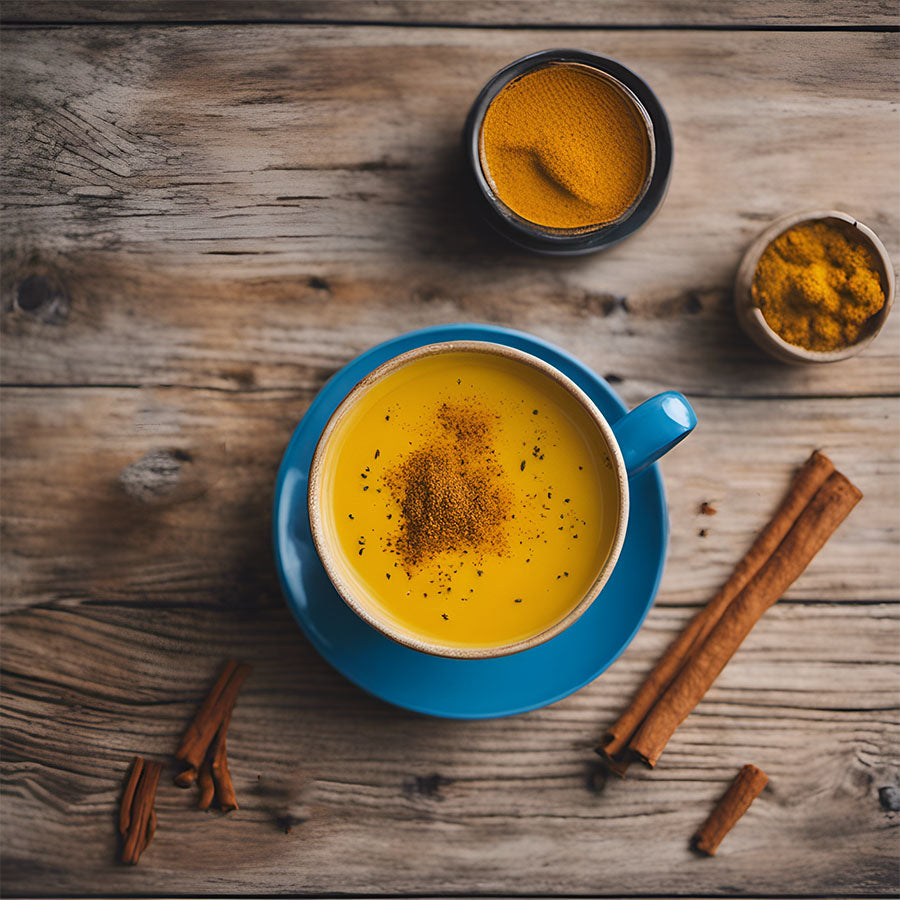
Turmeric, fresh or as a powder, brings not only colour but also an earthy, floral note to curries and vegetable courses.
Fenugreek – leaves and seeds
Aromas
These special spices offer intense, spicy notes that can be used to great effect in various cuisines.
Extraordinary worlds of pepper
Classic speciality peppers
Tellicherry pepper
It is characterised by its strong heat and warm notes. This variety is often regarded as one of the best.
Long pepper
With its rod-like appearance, this pepper offers an aromatic, slightly sweet taste and a subtle heat.
Kampot pepper
Considered a high-quality pepper speciality because of its complex, floral aroma.
“False peppers” and special varieties
Sichuan or other citrus peppers
Botanically, it is not a true pepper, but it impresses with fresh citrus notes.
Himalayan pepper
With its impressive fragrance and distinctive aroma, it also wins over independent palates.
Grapefruit pepper
Fruity, citrusy notes make it ideal for a wide range of dishes.
Special chili and paprika varieties
Mild to medium specialities
Basque chili
A mild, aromatic and fruity chili with light smoky and sweetish nuances.
Intense chilis with strong character
Smoky chili varieties
Smoked chilis are ideal for grill marinades and BBQ sauces.
Aromatic seeds, fruits and barks
Ajwain
Fragrance profile
From fresh herbal notes to thyme-like roasted notes – perfect for various vegetable dishes.
Star anise
Character
Intensely sweet and spicy, and perfect for hot drinks and baked goods.
Creative seasoning with special spices
Basic principles for use
- Use small amounts, as special spices are often intense.
- Get to know the aromas and increase the amount gradually.
- Toast seeds for extra fragrance.
Special spices in everyday cooking
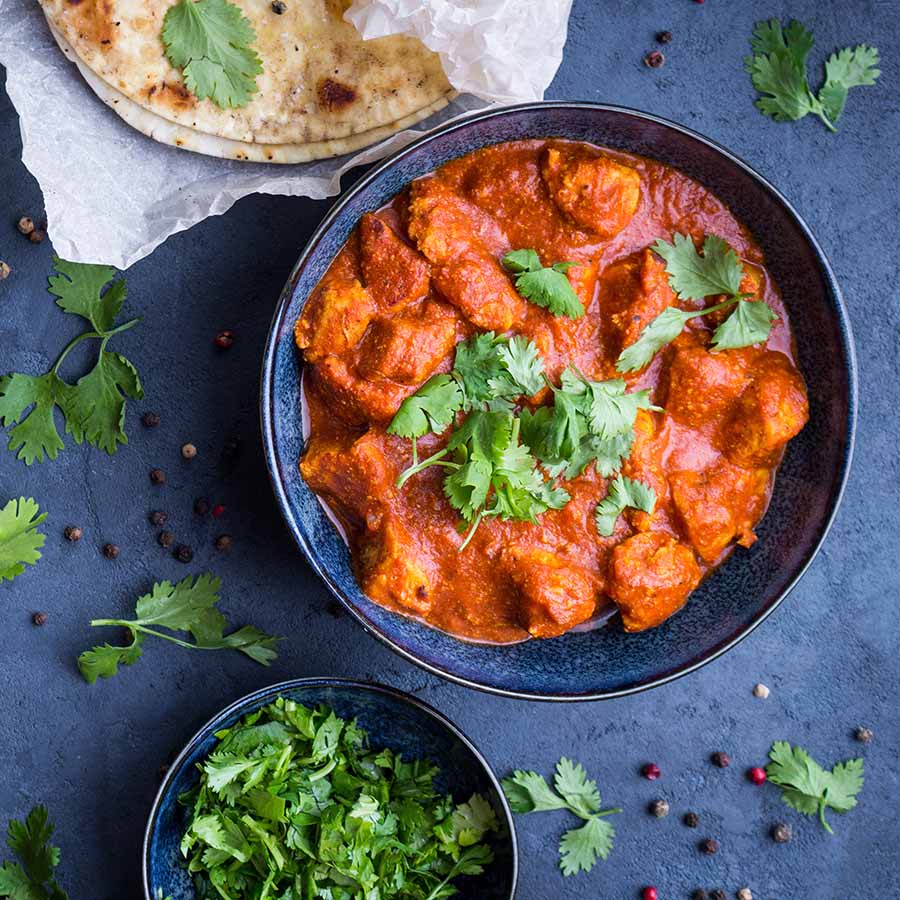
In savoury dishes, pesto, pepper and chilis can really come into their own. Sweet dishes benefit from vanilla and cinnamon, while special pepper and chili varieties give desserts the finishing touch.
Rediscovering regional and traditional cuisines
Mediterranean cuisine
Typical are combinations of herbs and spices that not only bring out the flavour of vegetables, fish and pulses, but also give them a harmonious ensemble.
Your impact on sustainability through special spices
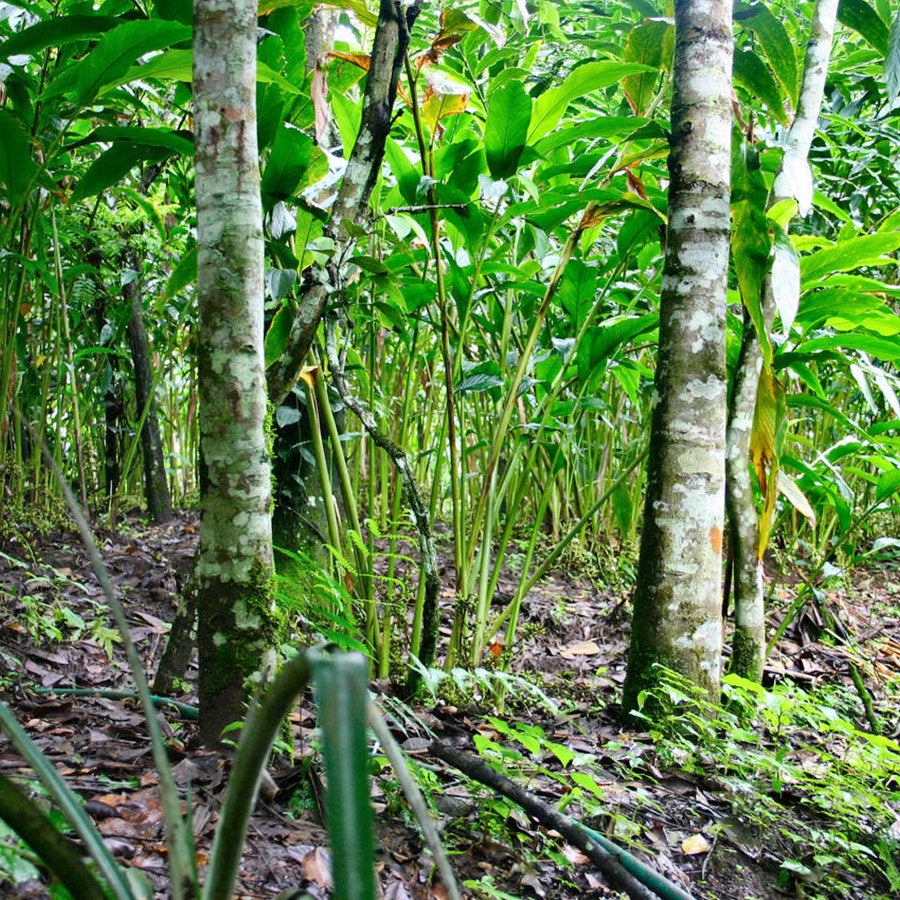
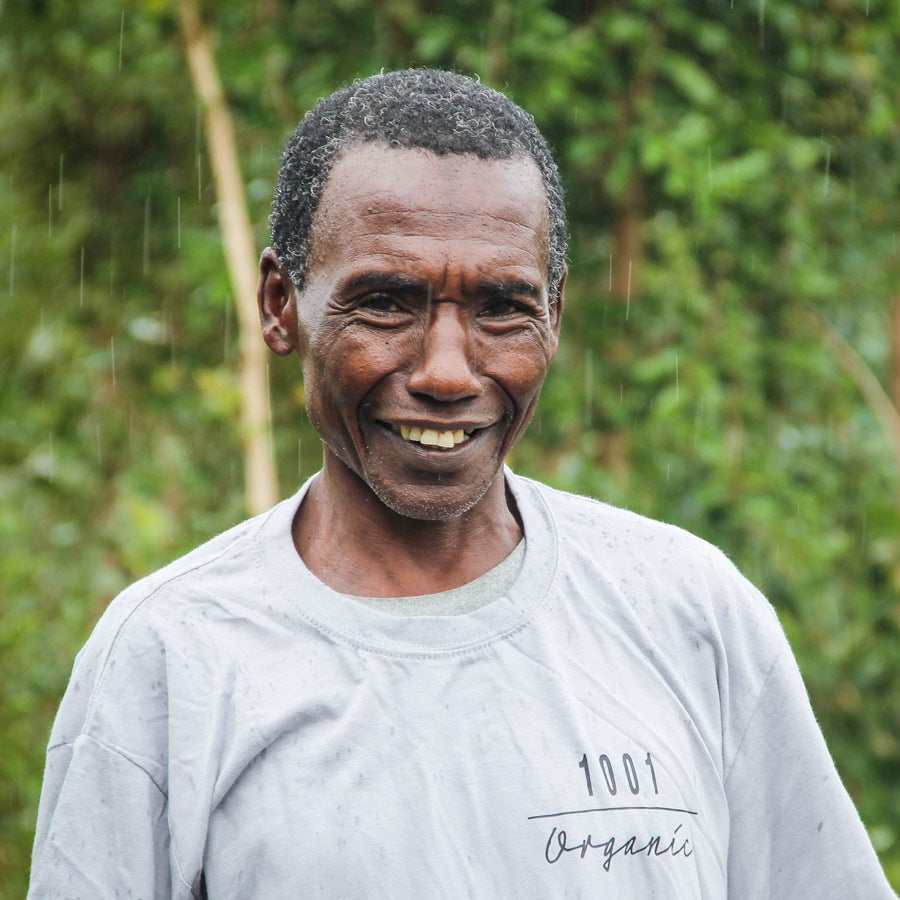
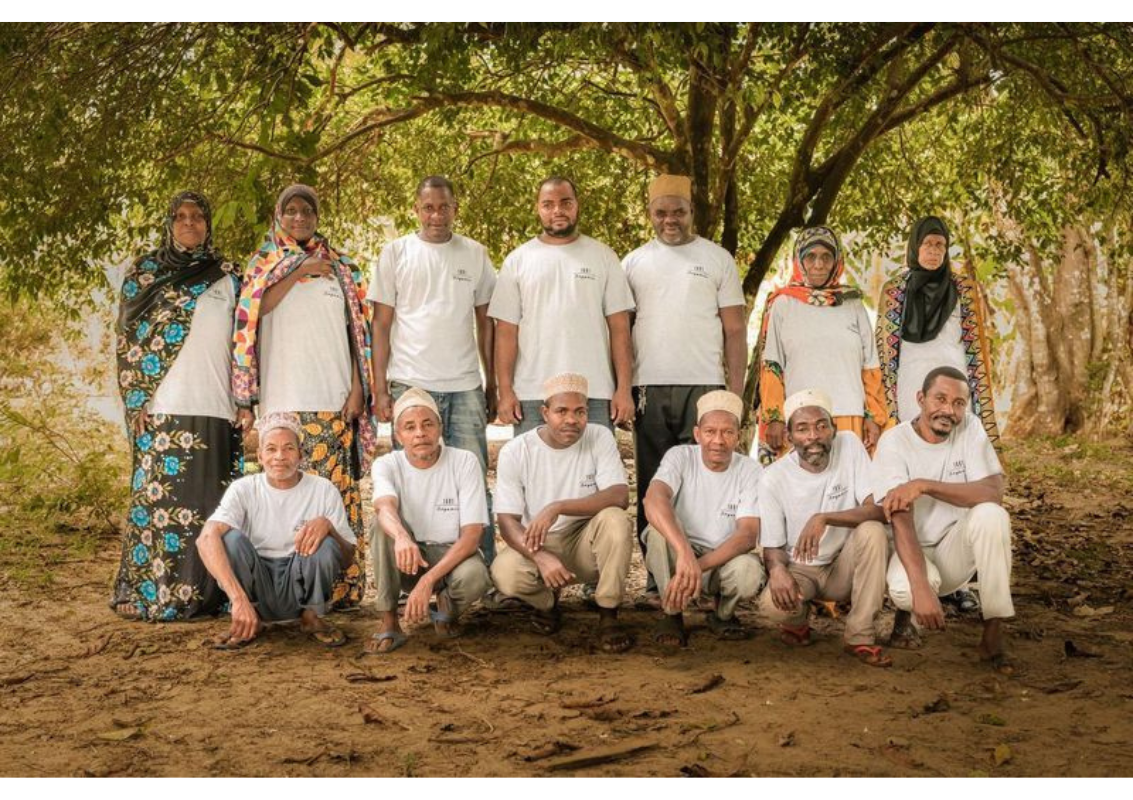
With every purchase of a special spice from 1001 Organic, you support not only extraordinary flavours, but also smallholder farmers and sustainable farming practices on Zanzibar. This way, every use of a special spice becomes a conscious decision for the future.
How can you put this article into practice?
Experience the variety and flavour of special spices in your kitchen and discover how easy it is to integrate 1001 Organic spices into everyday recipes. Experiment with combinations and create dishes that are not only delicious, but also tell stories.
FAQ
What are special spices?
Special spices are ingredients that stand out because of their origin, flavour and processing. They open up new aromas and support creative culinary adventures in the kitchen.
How do you use special spices correctly?
Special spices should be used in small quantities, as they are often very intense. Try them in combination with other ingredients and discover which aromas go well together.
Why should I buy special spices?
Buying special spices supports not only the discovery of new flavours, but also sustainable farming practices and smallholder farmers on Zanzibar. In this way, you actively contribute to positive change.
Where do 1001 Organic spices come from?
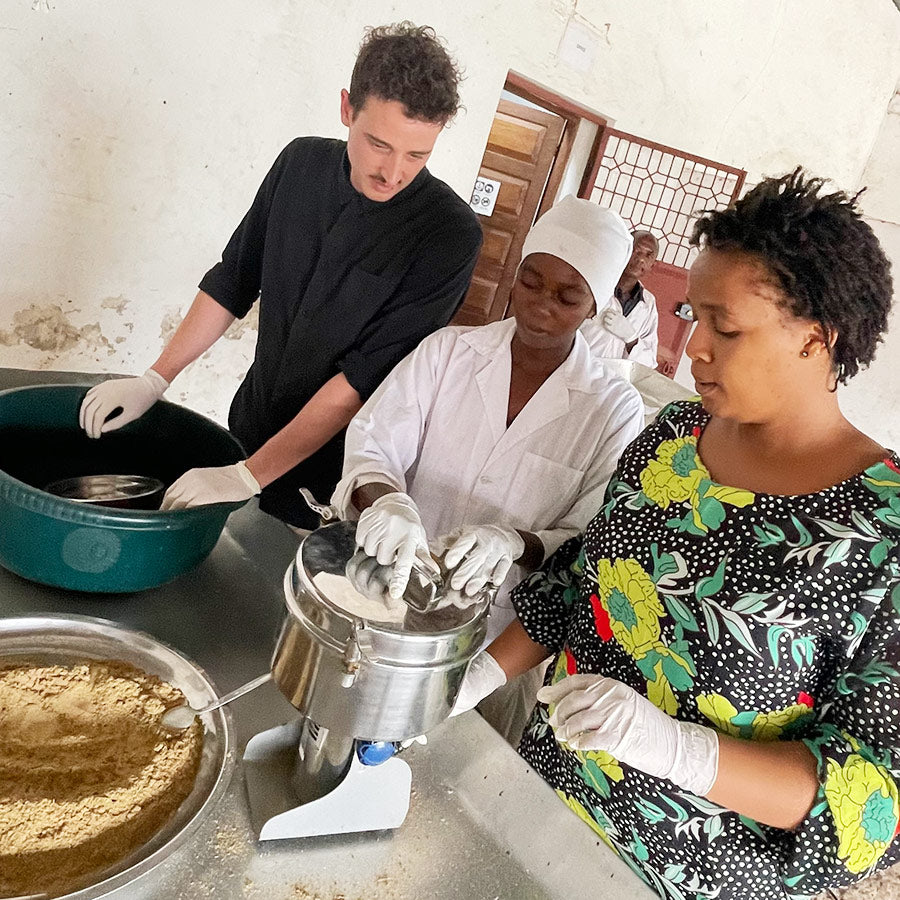
Our spices come directly from smallholder farmers on Zanzibar, where they are processed sustainably and fresh. This ensures not only the highest quality, but also a positive social impact.
In which dishes can I use special spices?
You can use special spices in a wide range of dishes – from savoury meals and sweet desserts to drinks. They are versatile and enrich your cooking in every respect.
How do special spices differ from conventional spices?
Special spices stand out for their uniqueness, whether in heat, aroma or processing techniques. They bring new dimensions to the kitchen and open up innovative taste experiences.
What makes 1001 Organic spices special?
1001 Organic spices stand out for direct partnerships with smallholder farmers, sustainable cultivation and a high level of transparency. This way you get high-quality, fresh spices with a genuine origin.


Bestsellers








Natural & Fair
• Sustainable farming practices
• Local communities
• Direct partnerships
• Effective value creation at the source of the spices
• Farm to Kitchen concept
• Protection of biodiversity
• Fair working conditions

